Secrets of 37,000 year old baby mammoth revealed
By Paul Rincon – BBC

Baby Mammoth
Perfectly preserved, the baby mammoth looks like she has been asleep only for a moment – not for the 37,000 years she has spent locked in the rock hard permafrost of the Arctic tundra.
Clumps of brown hair still cling to the three foot tall body, hinting at the coarse coat that would have once covered the infant. Even her eylasahes are intact.
These extraordinary images show why scientists are so excited by the discovery of Lyuba – the most complete body of a woolly mammoth ever found
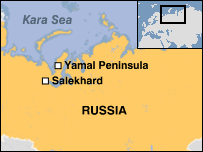
Area where Mammoth was Found
Discovered at the side of a river by reindeer herders on the Yamal Peninsula in northwest Siberia, the bone month old female is helping scientists to unravel how the extinct ice age giants once lived.
The contents of her stomach have provided scientists with valuable clues about what she and her fellow mammoths ate.
The baby’s layers of fat and minerals in her teeth have provided an unprecedented insight into her health and the health of her herd.
Palaeontologists now believe the information they have gleaned from the remains can help them understand what led to the woolly mammoths’ ultimate extinction around 10,000 years ago.

Mammoth Mummy
It is thought that mammoths died out as they were unable to adapt to the changing world around them as temperatures soared at the end of the last ice age, although some experts believe they may have been hunted to extinction by humans.
The findings have shown that the baby mammoth was in good health and well fed before its death, suggesting that its herd was able to find plenty of food at the time it was alive.

 Mountain Spirit's Blog