Archive for September, 2011

We Need Your Help, Spread the Word!

08/09/2011

Mountain Spirit Institute’s Blog – Reader’s Appeal to Google News

If you like what you’ve been reading on Mountain Spirit’s blog since 2008, please help us spread the news by suggested they list us on their search site. Here’s how you can help.

Help our Non-Profit org, Suggest: blog.mtnspirit.org - Thanks!

Since we at Mountain Spirit Institute started our blog, 64,000 people have stopped by to read our posts and see our videos. By helping us build a broader base, we’ll not only get more readership and exposure, but possible needed revenue  from advertising like-minded organizations on our site, as well as exposure to potential donors.

Started in 1998, Mountain Spirit’s mission is to facilitate one’s connection to the natural world, each other and a deeper connection to one’s self, through a wide variety of programs in the U.S. and abroad, ranging from wilderness programs to workshops.

Citizenship, and the Tenacity of Pursuit

08/09/2011

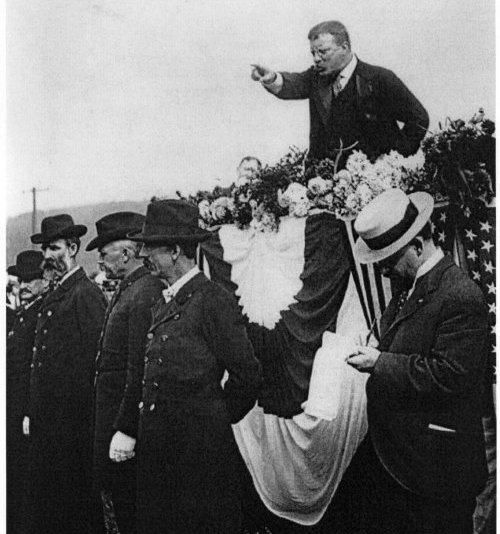
Teddy Roosevelt on "Staying in the Arena"

What does it mean to be a good citizen these days?
Teddy Roosevelt had some definite ideas on the subject. Below is an excerpt from his speech Citizenship in a Republic.
And from where does the term Tenacity of Pursuit come?
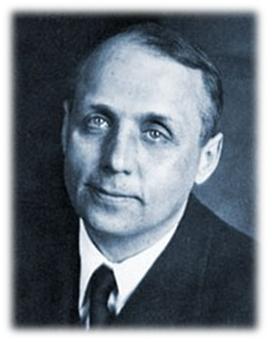
Kurt Hahn
, the founder of Outward Bound considered “the tenacity of pursuit” to be one of his key outcomes of a good education.

Kurt Hahn

Says Hahn,  “I regard it as the foremost task of education to insure the survival of these qualities: an enterprising curiosity, an undefeatable spirit, tenacity in pursuit, readiness for sensible self denial, and above all, compassion.”

TR’s life shows us that hard work, tenacity, and a desire to do the right thing can get you far in life. In the most memorable section of his “Citizenship in a Republic” speech, Roosevelt captured his life philosophy in just a few sentences. “The Man in the Arena” tells us that the man we should praise is the man who’s out there fighting the big battles, even if those battles end in defeat. In our day, when cynicism and aloof detachment are considered hip and cool, TR reminds us that glory and honor come to those “who spend themselves in a worthy cause.”

The Man in the Arena
It is not the critic who counts; not the man who points out how the strong man stumbles, or where the doer of deeds could have done them better. The credit belongs to the man who is actually in the arena, whose face is marred by dust and sweat and blood; who strives valiantly; who errs, who comes short again and again, because there is no effort without error and shortcoming; but who does actually strive to do the deeds; who knows great enthusiasms, the great devotions; who spends himself in a worthy cause; who at the best knows in the end the triumph of high achievement, and who at the worst, if he fails, at least fails while daring greatly, so that his place shall never be with those cold and timid souls who neither know victory nor defeat.

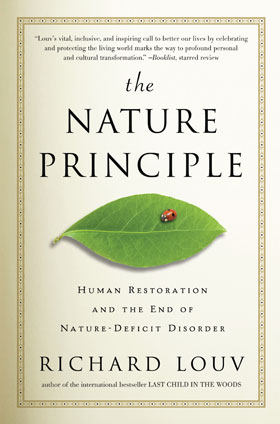
The Nature Principle

07/09/2011

Louv's second book

“The future will belong to the nature-smart—those individuals, families, businesses, and political leaders who develop a deeper understanding of the transformative power of the natural world and who balance the virtual with the real. The more high-tech we become, the more nature we need.”
—Richard Louv

The immediacy of Richard Louv’s message in Last Child in the Woods: Saving Our Children from Nature-Deficit Disorder galvanized an international movement to reconnect children with nature. We’ve touched base about his first book here on MSI’s blog.

Now, in The Nature Principle, Louv reaches even further with a powerful call to action for the rest of us.

Our society, says Louv, has developed such an outsized faith in technology that we have yet to fully realize or even adequately study how human capacities are enhanced through the power of nature. Supported by groundbreaking research, anecdotal evidence, and compelling personal stories, Louv shows us how tapping into the restorative powers of the natural world can boost mental acuity and creativity; promote health and wellness; build smarter and more sustainable businesses, communities, and economies; and ultimately strengthen human bonds. As he says in his introduction, The Nature Principle is “about the power of living in nature—not with it, but in it. We are entering the most creative period in history. The twenty-first century will be the century of human restoration in the natural world.”

Richard Louv makes a convincing case that through a nature-balanced existence—driven by sound economic, social, and environmental solutions—the human race can and will thrive. This timely, inspiring, and important work will give readers renewed hope while challenging them to rethink the way we live.

Editor’s note: I saw Mr. Louv speak in Park City about three years ago. He was a down-to-earth, (one would hope with a subject such as he covers) and passionate speaker. If you get a chance, go hear him speak, you can see his schedule on his website’s Appearances Page and  if you can hear him speak, do so.  Better yet, read his three books.

We’re honored to see that Mr. Louv has started to follow Mountain Spirit Institute‘s Twitter account. We’ve been at it since 1998, and started this blog in 2008 with 64,000 views since. We feel a kindred spirit with Louv, with our mission “to facilitate one’s connection to the natural environment, to each other and a deeper connection to one’s self”.  Mr. Louv has had great success in spreading the word about getting kids of all ages outside, and we’re effectively joining him in that cause.

New Zealand Lenticulars

06/09/2011

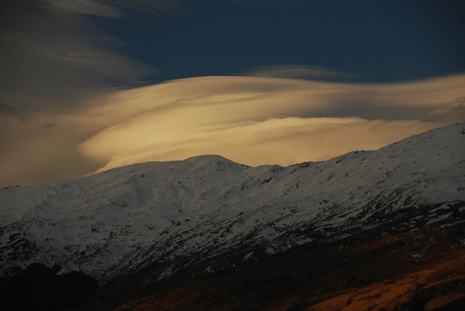
It’s been quite windy the last few days, but warming up here in Southern Otago, New Zealand.  Spring skiing and ski-touring season. Lenticular clouds (Altocumulus lenticularis) are classic indicators of high winds aloft. As you can see, as the sun set last night, the winds were howling up on the ridgetops just north of the house. This view taken from our balcony.

Lenticular Clouds over the Remarkables as Sunset