Archive for the ‘Climb/Ski/Mntneering’ Category

Glacier Peak: Washington’s Remote Volcano

28/08/2011

Unfortunately, no bike trailer

By Kurt Hicks

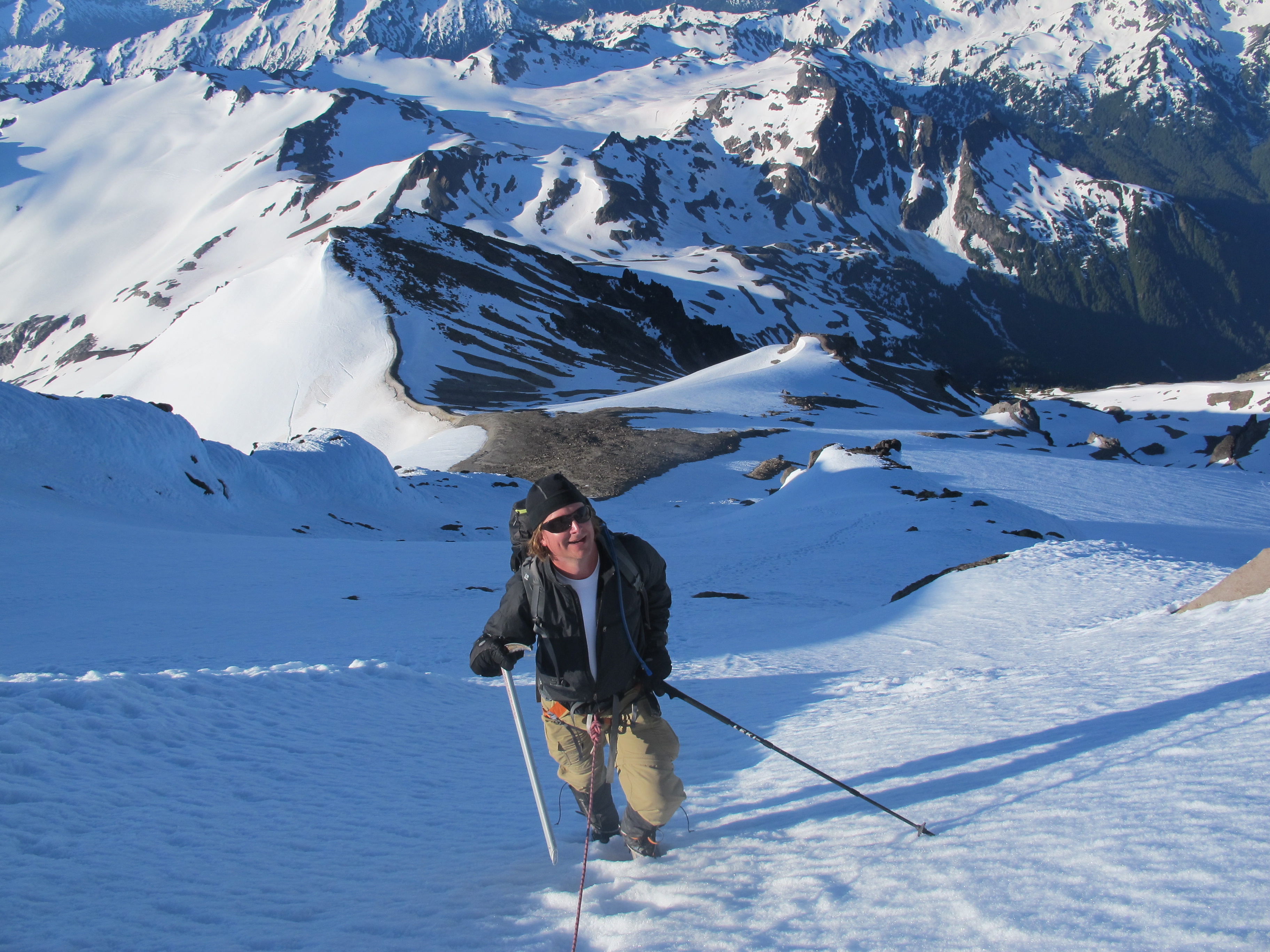
Glacier Peak should be on every Cascade mountaineer’s tick list.  While folks averse to walking might complain about the long approach (about 15 miles each way), it is perhaps the most scenic and ecologically

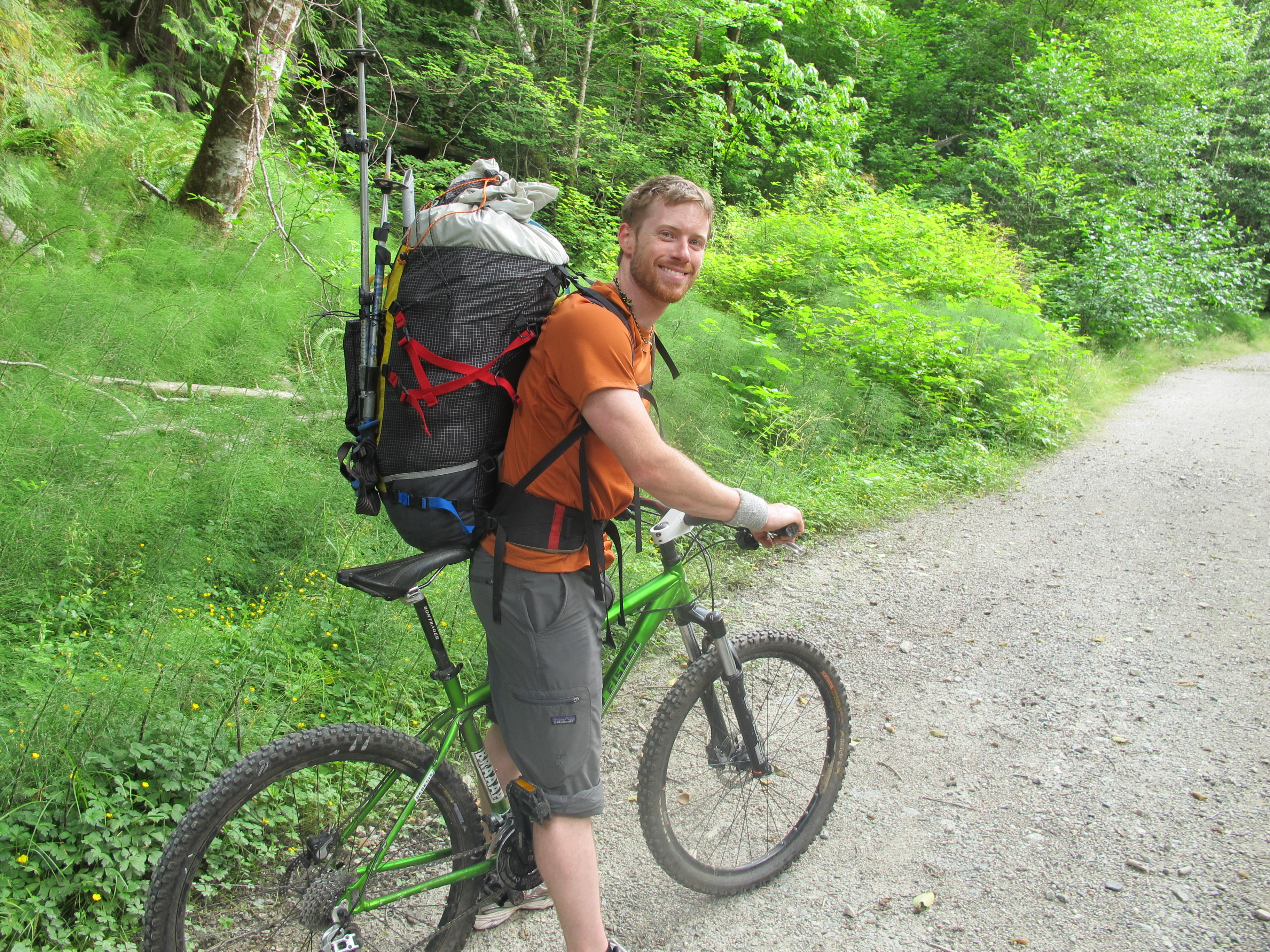
One of Kurt's clients en route

diverse that I’ve ever done in the Cascades.  Our trip began with a seven mile bike ride up the closed USFS 49 road, since it was temporarily closed due to a miniscule washout.  The biking was quite reasonable and went quickly with mountain bikes and pull-behind trailers.  Read the rest of Kurt’s story…

20/08/2011

From: Matt Primomo on FaceBook

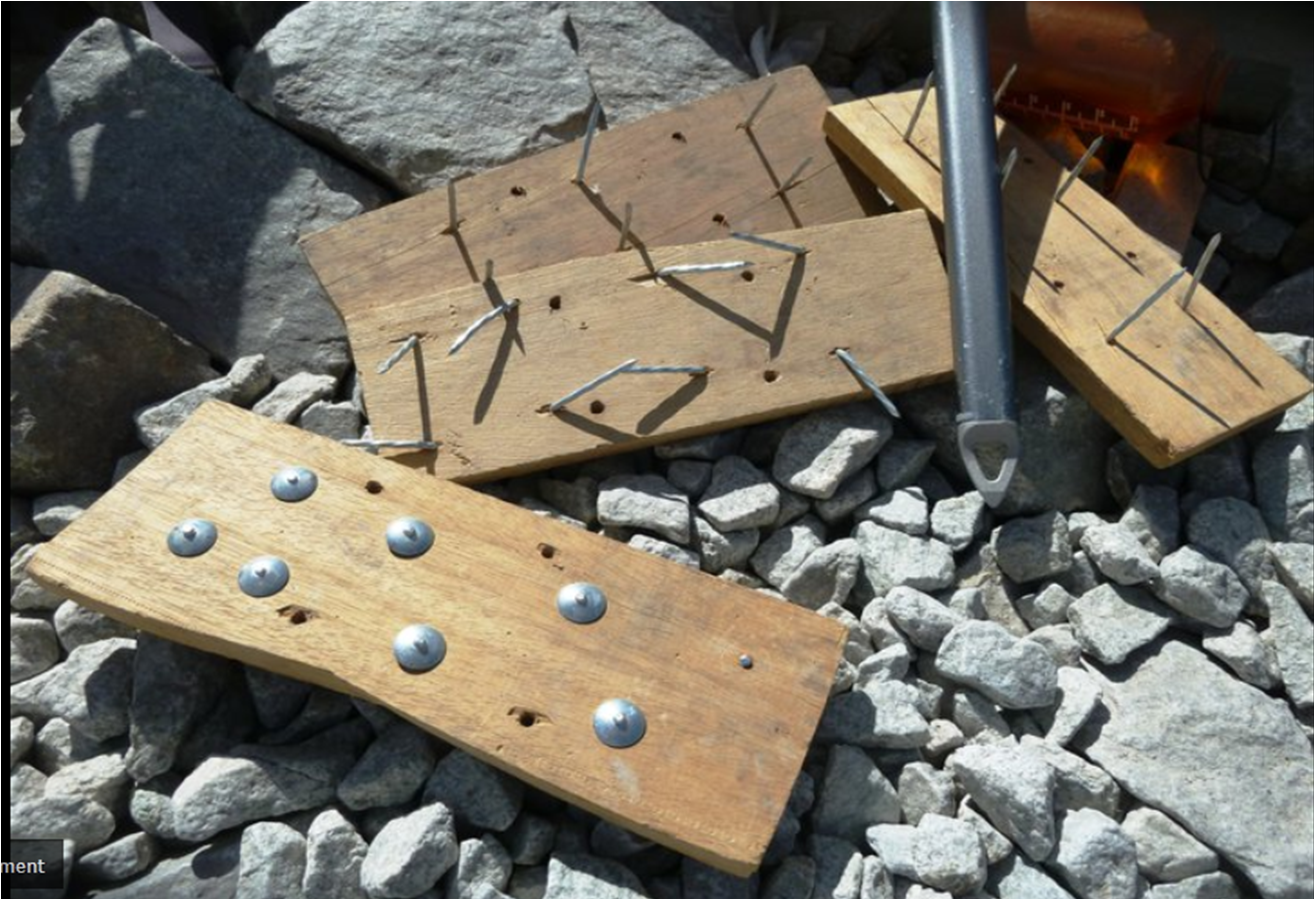
The all new, ultralight, strapless, Bolivian crampon. Dirt cheap, or make yours today with some scraps.

A Guide’s Pack: Backcountry Mountaineering

15/08/2011

By Kurt Hicks

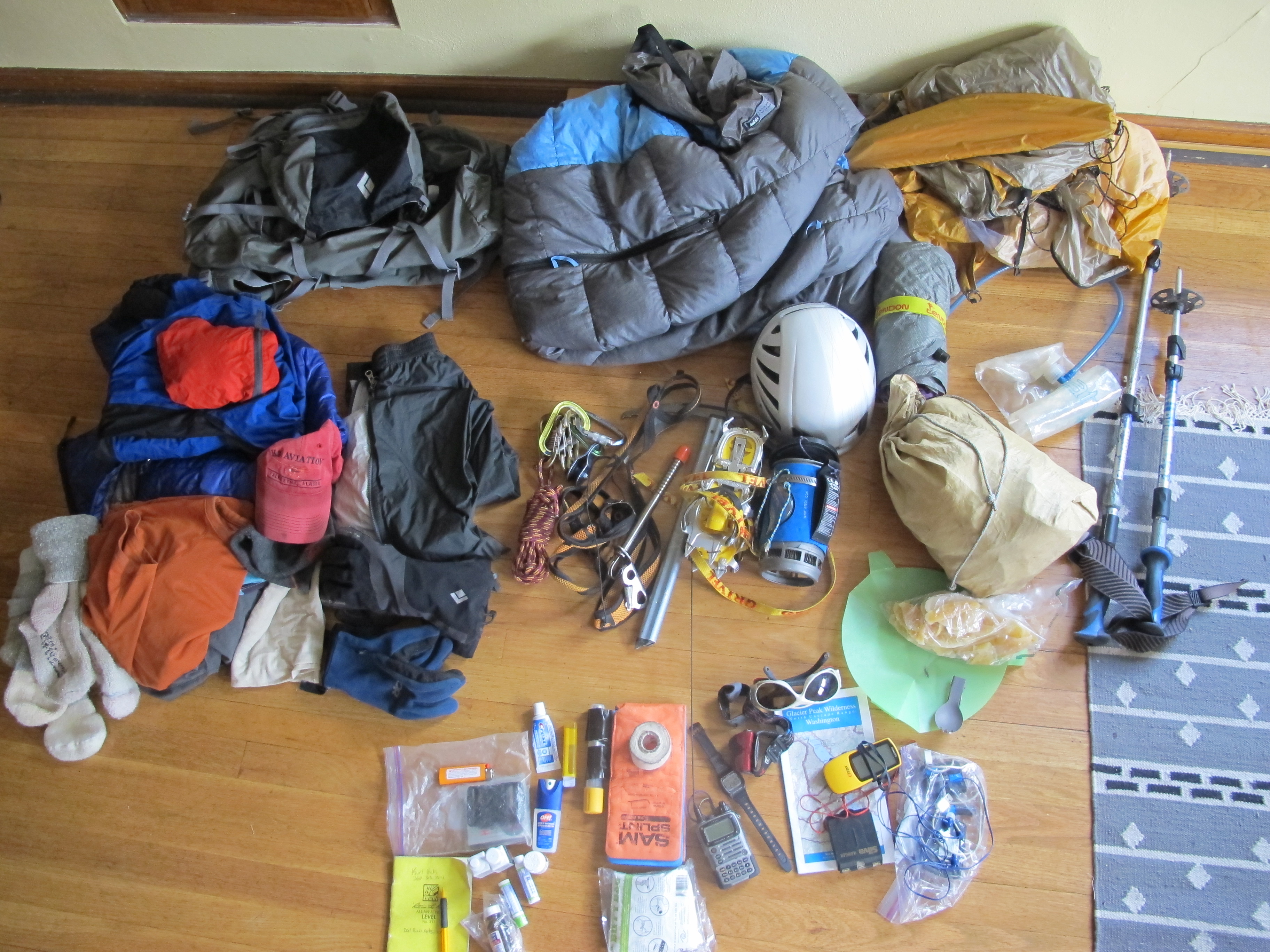
A backcountry mountaineering pack

Backcountry mountaineering, you say?  How is that different from traditional mountaineering?  Well, it’s in the approach distance.  Most mountaineering trips in the Cascades require a few hours of hiking to get from the car to a high camp, usually on well-maintained trails and easy sub-alpine terrain.  This isn’t the case for my upcoming objective; I’m headed into the most remote volcano in the Cascades this week–Glacier Peak–and have a 20 mile one-way distance car-to-summit to contend with.

So how does my strategy change for backcountry mountaineering?  Initially, I wasn’t thinking that there would be much of a difference, but there must be given the amount of time I’ve spent with my gear today.  My main concern, as usual, is weight. Read the rest of Kurt’s post…

Editor’s Note: The American Mountain Guides Association recommended Kurt’s blog last month, and I’ve ended up subscribing to it for good reason- Tons of good info and perspective, and well written stuff by a nice guy. If you get a moment, check out his blog. You’ll see a few more lead-ins to his posts on our blog because we like what he’s up to!

Three Good Websites

14/08/2011

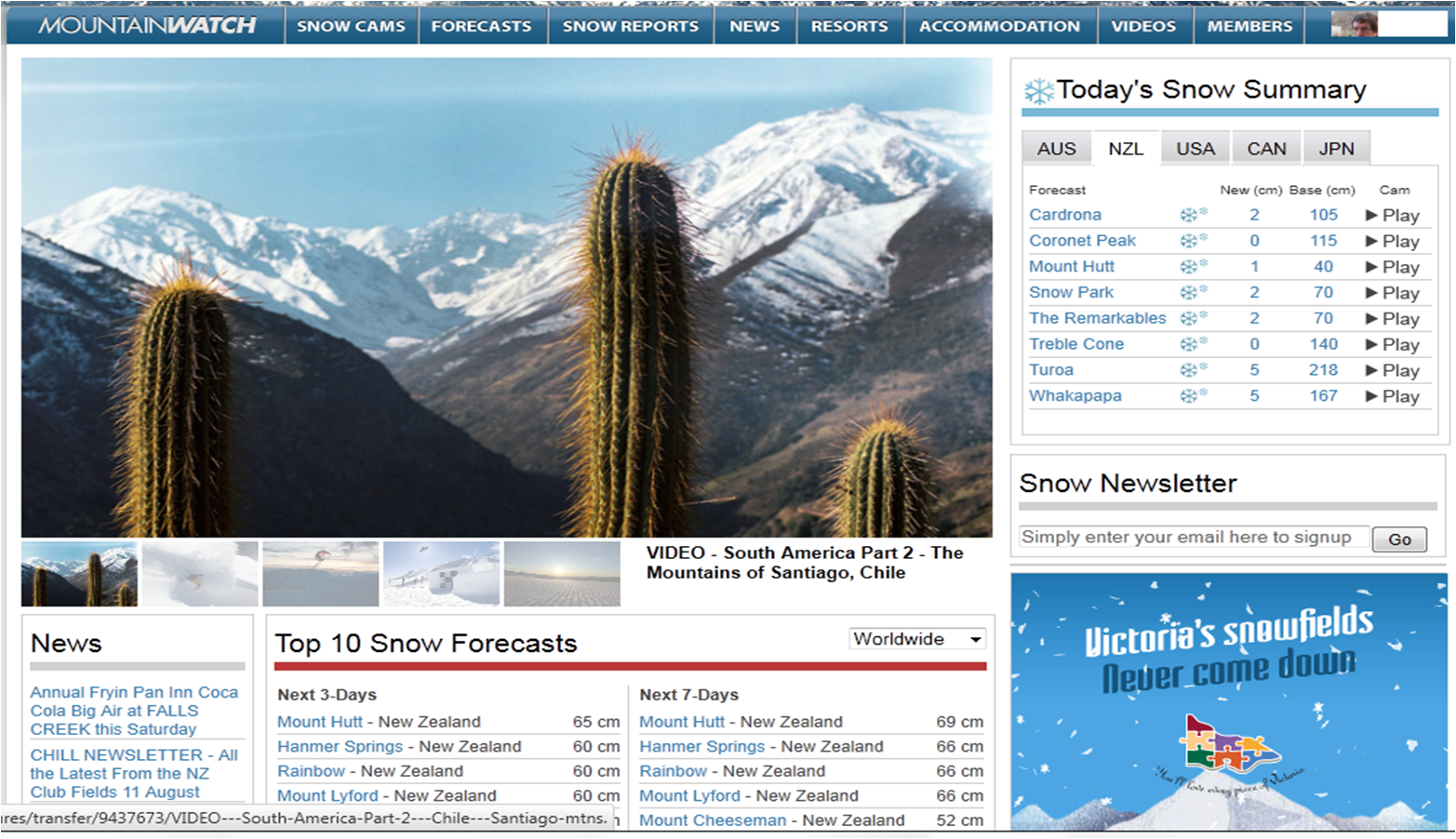
From Mountain Cams worldwide and Avalanche Forecasting to Sending Money, here are a few sites I’ve come across lately

While it’s a bit too focused on the frontcountry scene, the worldwide reports and  list of snowcams can’t be beat.  Check out MountainWatch.com for snow conditions, news and forecasts.

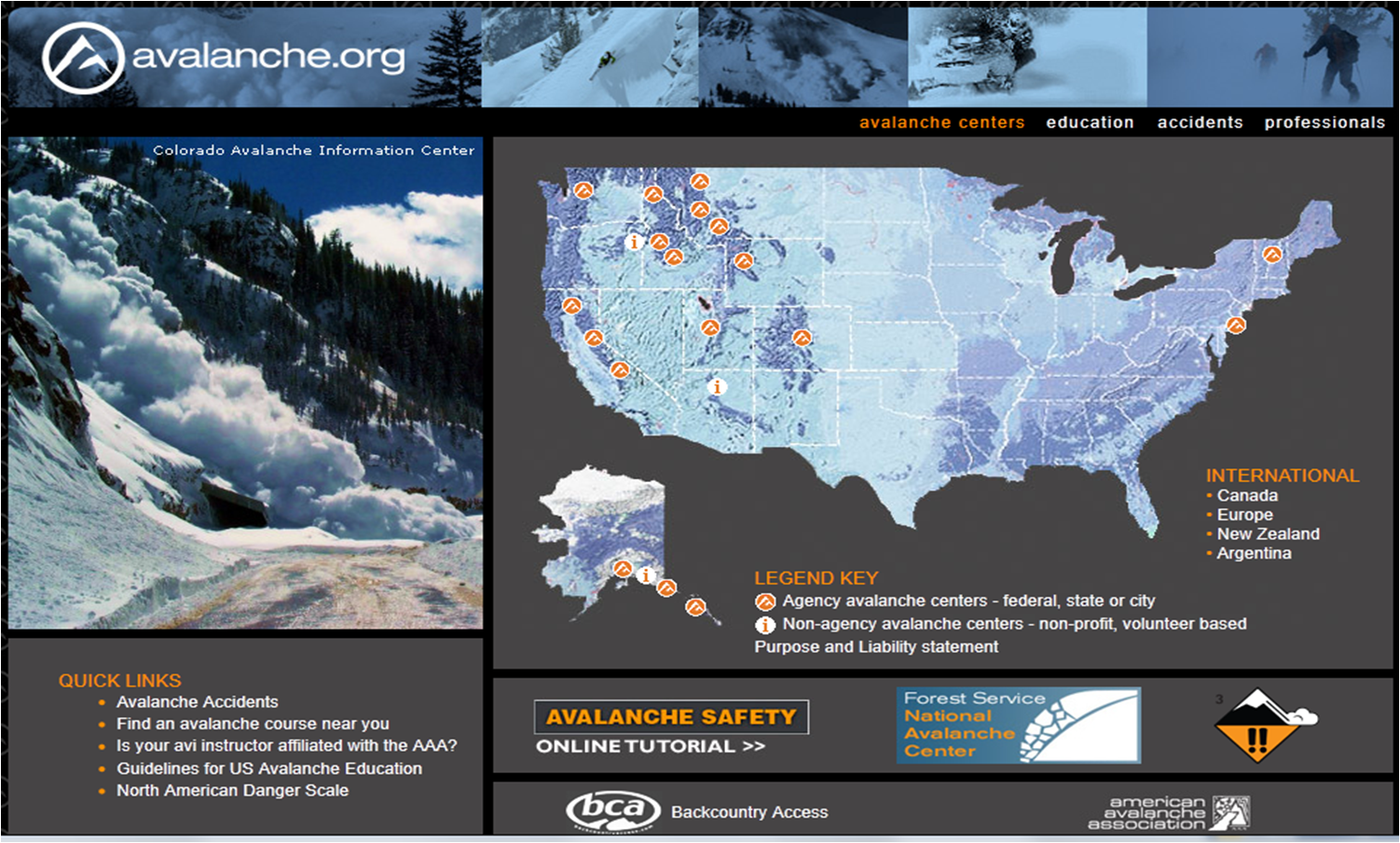
Avalanche.org

Avalanche.org is what your really want to get access to local avi conditions worldwide. With a click, you can jump from North America to New Zealand and zero in on your region before you head out.

Xoom.com

On a completely different note, I just stumbled upon what appears like a good site for transferring money. MoneyGram only works if you’re in the U.S and God bless Western Union for being around longer than Greyhound, but their online system has never worked for me, and by god, they’re expensive. So check out Xoom.com, it’s who I’ll be using the next time I need to send some funds across the ocean blue.

Following Your Gut Feelings

10/08/2011

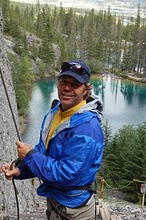
Mtn Guide & Writer, Ken Wyle

When the Mountain Bites Back, And What Are the Lessons To Be Learned
Mountain guide, writer and longtime friend from Outward Bound days, Ken Wyle is writing a book about his accounts the day he was caught in the La Traviata avalanche in Canada that killed seven people. I had heard through the grapevine that Ken had been caught in a big one, and I felt a wrench in my gut. Mountaineering accidents, in which friends are involved affect me more than most things in life. Alan Bard was one of my ski-guiding mentors, and he goes and dies on the Grand Teton. One’s teacher isn’t supposed to do that. There was a cloud over me for a time after I had heard the news, and I did’t feel comfortable on the rock for a time too. There have been other friends too that are no longer with us, and I ask myself the same questions that we all do about events like this, and the meaning of it all.

Reading a few of Ken’s Facebook posts and on his blog, give me the impression, he too has been asking some questions. And while the answers are secondary, the questions he’s asking have weight, at least from my humble perspective.  While compassion is one of outcomes of teaching an Outward Bound course, it looks like Ken is living it.
I caught up with Ken on Facebook last week, and he suggested I check out his blog The Energies of Adventure. Some glimpses of what will most likely be included his book can be seen on his blog.
Here’s the lead-in to his first post on that blog:

Seven Cairns
Chapter 1, “Lost in the Fog”

January 20th 2003, deep in the Selkirk mountains of Canada’s British Columbia. It is overcast and white out.  Snow flakes are lightly falling from the clouds.  The air is moving softly out of the southeast. Two groups of backcountry ski tourers collect at the frozen, snow covered, Tumbledown Lake for our first tea break of the day. My smaller group of read the rest of this story..


A History of the Carabiner

02/07/2011

Linking History...

From: Alpinist
Working his bare-feet up the face, the climber takes a knotted sling from his shoulder and places it around a stone horn. He takes a second sling, deftly unknots it and feeds the cord carefully around his hempen lead rope and the slung rock. With the rope now connected to his natural protection he ties the second cord back into a sling and climbs on….

Before Otto “Rambo” Herzog first conceived using carabiners, climbers had only two options for connecting their ropes to protection: tie the rope and protection together, or untie and run the rope directly through the gear. Neither option was quick or especially safe.
In Alpinist 35 we examine the history of the carabiner; why Otto “Rambo” Herzog first thought of using the device, how it was modified over the last century and how the carabiner got its name.

Rambo Herzog

Rambo
Otto “Rambo” Herzog earned his nickname seventy years before the Sylvester Stallone movies. “Ramponieren” in German means “to batter” or “to bash,” and Herzog got his nickname, “Rambo,” not for flailing up climbs but for the hours he spent ramponieren specific problems. Today, Herzog is remembered for introducing the carabiner and breaking Hans Dülfer’s grading system. In 1913, he climbed the south wall of the Schüsselkarspitze (2537m) with Hans Fiechtl, a route that reached the limit of grade V (5.8/9), the highest grade in Dülfer’s I-V scale. In 1921, Herzog, together with Gustav Haber, climbed the “Ha-He Verschneidung” on the Dreizinkenspitze (2306m). Today rated 5.10, Herzog and Haber’s climb was so difficult that grade VI had to be added onto the I-V grading scale.

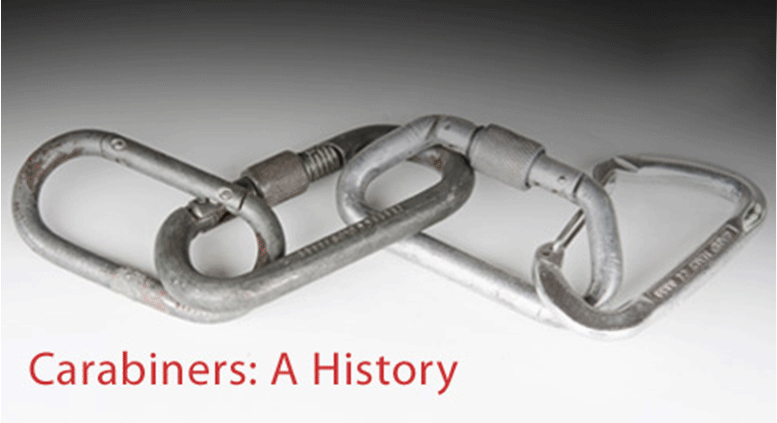
Today all climbing carabiners are made from solid metal. But in the 1970s SALEWA introduced a hollow design, that weighed only forty grams. This model was not only revolutionary because of its form but also because of the safety testing done on every unit. For the first time, each carabiner was individually tested before hitting the market. The slight indent on the curve of the pictured ‘biner, is the mark left by the 1000kg test. Many climbers will look at the empty interior and imagine that hollow carabiners were unsafe. However, in a recent interview with Alpinist, SALEWA’s former General Manager Hermann Huber said the hollow designs were abandoned because of breakthroughs in cold forging that allowed for lighter and stronger designs from solid aluminum.  Read the rest of this story…

Don’t Buy It

17/06/2011

Selling Success Thru Consuming

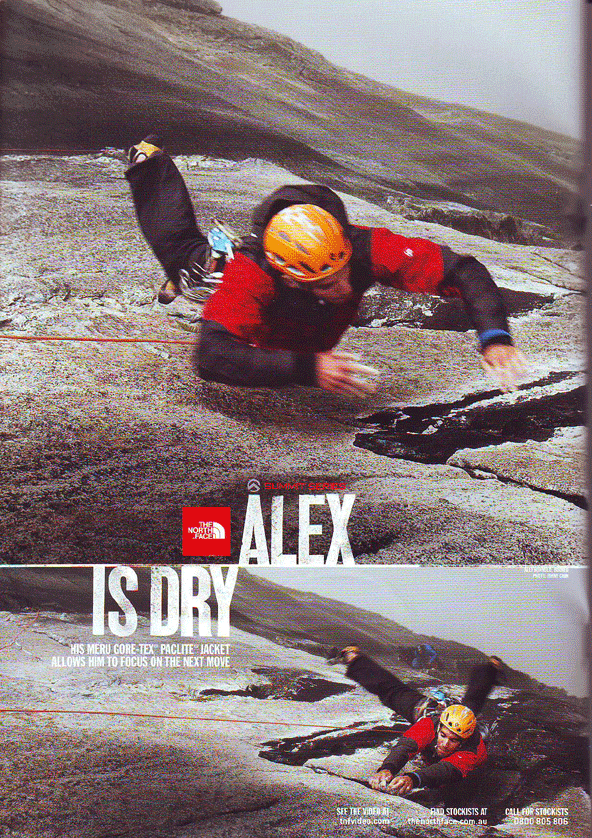
A recent full page ad on the inside front cover of New Zealand Alpine Club‘s The Climber* Magazine shows a truly burly shot of climber Alex Honnold in Borneo, doing a dyno move on what looks like a long potential fall on a big wall. Granted the sequence is impressive, (let’s be clear, I can’t do that), but the ad states, “ALEX IS DRY, His Meru Goretex Paclite Jacket allows him to focus on the next move.”

OK, ok, stop the music. Does this make we want to rush right out and buy a Meru Paclite Jacket? Not. But if  the Meru Paclite jacket allows him to focus on that dyno, maybe it will allow ME to focus on my next move too, just like the ad in the picture.  My criticism is albeit a cliche, nevertheless, I don’t buy it.

Kiwis are known for being a self-depreciating, humble bunch. They seem to buy used whenever possible, plus it blends into the backcountry better. Have you ever heard the saying, “Don’t go climbing with someone who has new gear?”  This doesn’t mean to avoid climbing and teaching new to the sport, but more it means watching out for a poser.

The Kiwi quietude is making me, in my conditioned Americanism,  feel downright goofy. I feel I may be tooting my own horn without even knowing . Mind you, I consider myself on the humble side, but New Zealanders make me look like Donald Trump.   I wonder however, how many climbers reading that magazine are taken by the ad. I would suspect a few more of my fellow Yankees stateside might be taken in. What do you think? Comment below.

Don’t buy it – buy used. Even though I’m able to buy on pro-purchase programs, I just bought a pair of Karhu BC skis on Craigslist, and it feels good. Did I even need them in the first place, yes. Maybe a step further, and a pair from the Salvation Army here in Queenstown for $40 would have sufficed. We can always improve.

Buying this Book? Share it.

Nope, I wouldn’t buy a used rope, or even cams,  but buying  most other stuff used just helps the planet, and you look better in a used jacket anyway. It’s another dirtbag move for the planet. Madison Avenue and the big corps who now own The North Face, (and now Karhu) don’t like guys like us. We’re terrible consumers – Have you joined the crowd?

According to a new book by Rachel Botsman and Roo Rogers, What’s Mine is Yours, The rise of Collaborative Consumption, the trend is huge – to buy less, buy used and share. I’ll write more about this book after I finish it. So far it’s fascinating.

*This is no way meant to be a slam on The Climber advertising policies, in fact the author encourages readers to support the magazine by supporting its advertisers, appropriately. A tricky one, eh?

By the way, nice move Alex.
New Zealand Backcountry

28/05/2011

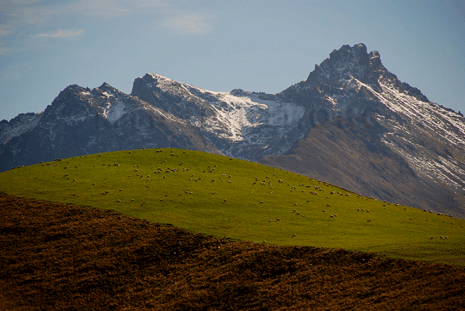
Mt Eyre, NZ Backcountry

I feel a  backcountry ski  adventure coming on. Last week I ventured out  15 minutes from our house here in Kingston, New Zealand and ended up driving down a farm road, off the nearest side canyon from the main north-south road to NZ’s southern tip. A view similar to this can be seen from the main road, but the closer I got into the back valley, following the Mataura River, I was led to this view of Mt. Eyre.  This is not one of the major peaks in the area, by any stretch, but it’s close to our place and what looks like some good backcountry skiing potential. As we near winter down here in the southern hemisphere, I’ll getting my skis sharpened, this may be my a ski area of choice due to its proximity, at least to the trailhead.

Joe Simpson’s Beckoning Silence

26/05/2011

Bravo, Joe Simpson

Joe Simpson’s documentary, The Beckoning Silence, is a well-done re-enactment of Tony Kurtz’s infamous climb on the Eiger. It’s part adventure, part history and part personal reflection. It shows the insight of wisdom that, in this case, comes with age. Having almost died more than once, the first time in Peru, Simpson has arrived at place in his life that is refreshingly thoughtful. Simpson is a climber who is growing older and facing his own mortality. Congrats to Simpson for making this “on the edge of your seat” film and letting us into his personal growth.

I reflect on Eckhart Tolle who writes in his first book The Power of Now about thrill seekers such as climbers who get addicted to the calm that comes with climbing, where past and future fade away and one must focus next move or ice axe placement,  because “taking your attention away from the task at hand, even for a split second can mean death”. Tolle  adds, “Fortunately you don’t have to climb the north face of the Eiger in order to feel the presence of the moment,  you can do it, right here and now*.”

I just did a bit of leading on rock yesterday, for the first time in a while, getting out from behind the desk here in New Zealand. It was great to clear the head and be on the  cliffs right outside our house here in Kingston on Shirttail Cliffs.

Top of Shirt-tail Cliffs, Kingston, NZ

Great quality climbs in a spectacular setting. Moving on the rock again felt great, and motivating, being on the sharp end. However,  I’ve never had that wild-eyed look of adrenaline, pumped, on the sharp end, need of the thrill . I like to test myself, but my survivalist instinct is too strong to be too bold. There are old climbers, bold climbers but not a lot of old bold climbers.   I know quite a few fellow climbers who I’ve lost to the mountains over the years, including one of my mentors, Alan Bard. I think of these things too, as does Simpson, as we have a baby boy expected to arrive in four weeks.  It’s good to be in the mountains, but to those hardcore dudes, don’t be afraid to take the easy way up, it won’t kill you.

*A free translation

Nature’s Seven Doctors in New Zeland

29/03/2011

A book for the ages

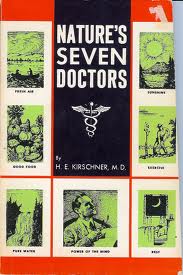
Hanging out at the Telemark Inn and Llama Farm (Newry, Maine)  years ago, when I was a ranch hand, and pack guide, I came across a little book on Steve Crone’s bookshelf called “Nature’s Seven Doctors” by Kirschner and White. This little volume espoused the basics of how simple living and paying attention the basics keeps one healthy.

After the Christchurch Earthquake and all, I guess the readjustment and stress of an unplanned move had me melancholy the last few days. I went with the flow, in line with Tolle, was in accepting and allowing my state to be, I  just didn’t feel at the top of my game. Even though we’ve found ourselves in a beautiful place, 7 hours south of the quake zone, it’s still been an adjustment of sorts.

Today I got it together and climbed to the top of the cliff outside our new rental home, sat for a short meditatino, and ran back down the trail, and on my way back to the house,  jumped in Lake Wikatipu on lake’s southern beach. The run and dip did me good, and I’ve been reminded all day of Kirschner and White’s book.   I’ve been feeling like new person all day.

The Seven Doctors are: (I usually can do this from memory, let’s see..) Fresh air, fresh water, fresh food, rest, mental/spiritual development, adequate exercise and adequate sleep.  Nothing to remember really, it’s common sense.

A view of Kingston, NZ from the top of Shirttail Cliffs