Posts Tagged ‘New Zealand’

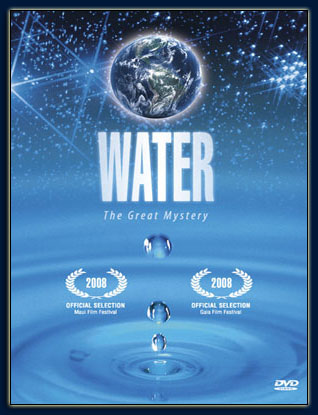
Water, The Great Mystery

04/06/2011

Water, Check it out.

Austrian Researcher Alois Gruber states in the movie, Water – The Great Mystery, by Hopscotch Films, “At the level of thought, a person who thinks negative thoughts is polluting his own water of which his body is 75-90% composed, and giving it a negative charge.”  The movie had my attention.
The film’s narrator continues, “As it records new information, water acquires new properties yet its chemical composition remains unchanged. The structure of the water is much more important than the chemical composition.

H2O

The structure of water means how its molecules are organized. Water molecules join together into groups which are called clusters. Scientists *theorize that these clusters work as memory cells of a

certain sort in which water records the whole history of its relationship with the world as if on magnetic tape.”

Water's structure in clusters

“Of course remains water, but its structure, like a nervous system reacts to any irritation. Modern instruments have made it possible to record the fact that within each of the water’s memory cells there are 440,000 information panels each of which is responsible for its own type of interaction with the environment. “

Molecules coming and going

Marc Chaplin, Professor and Laboratory Chief of London University says, “If you consider a cluster as a specific group of molecules, then it can only survive a short amount of time,  but if you consider it as a structure, whereby molecules can leave and other molecules come in, the  cluster will survive in effect, for a very long time. Water can record and store information, like a computer memory.”
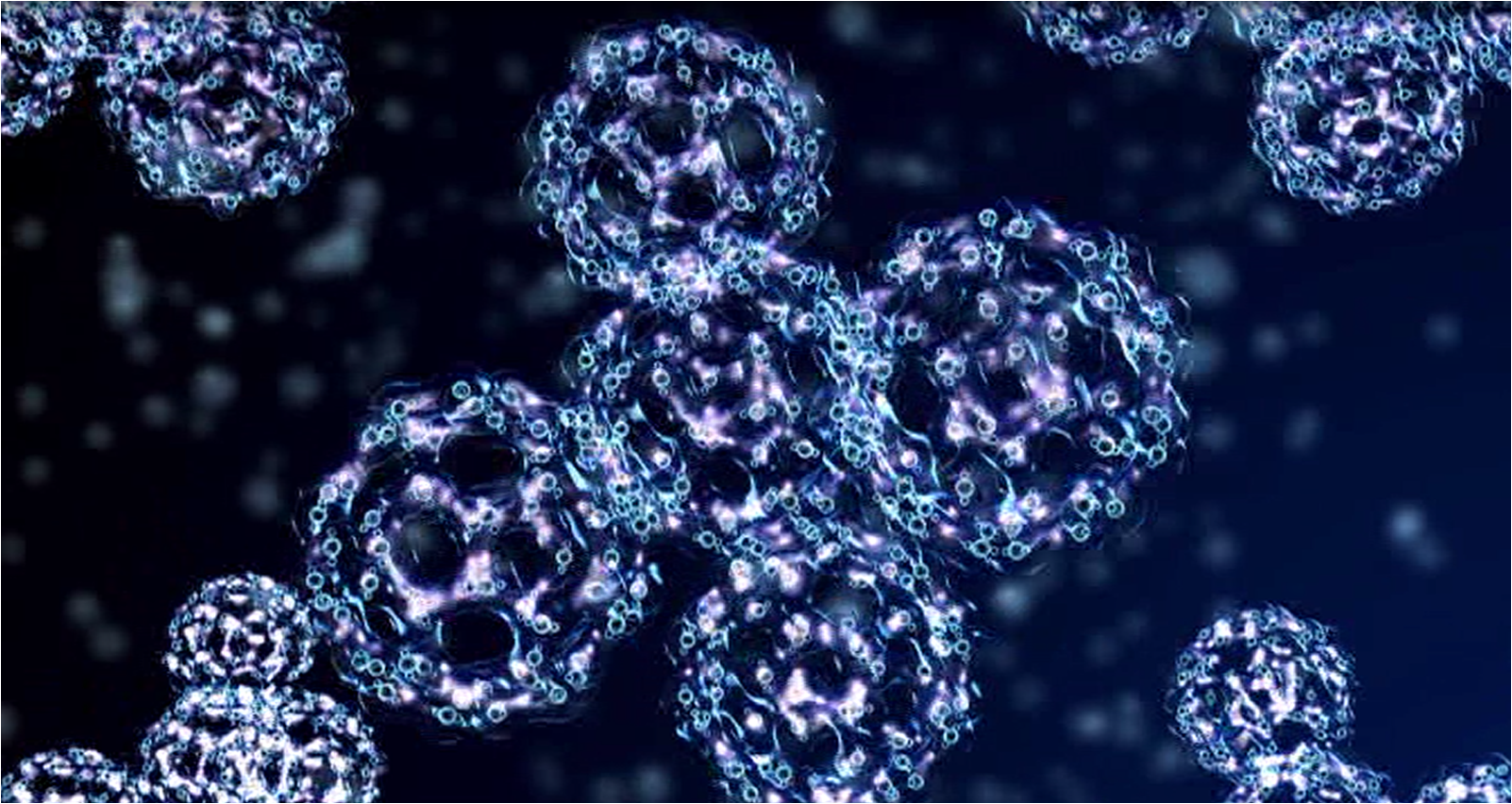
H2O has "memory panels"

“Basically water has photographic memory and you can imprint it with very subtle energies, even from 10,000 km away”  says Professor Rustum Roy, of Penn State University, and Member of the International Academy of Science.  “Does that mean remote communication can happen between human beings who are structures essentially composed of water?” asks the film.

Subject A in Russia

“In Februrary 2005 a professor and colleagues conducted an experiment  to confirm or disconfirm the hypothesis that remote communication between people is possible.  Two people were 10,000 miles apart, one in Moscow, the other in South America. The “virtual brain” of the experiment’s participants showed with EEG’s and EKG’s as well as other systems being monitored.
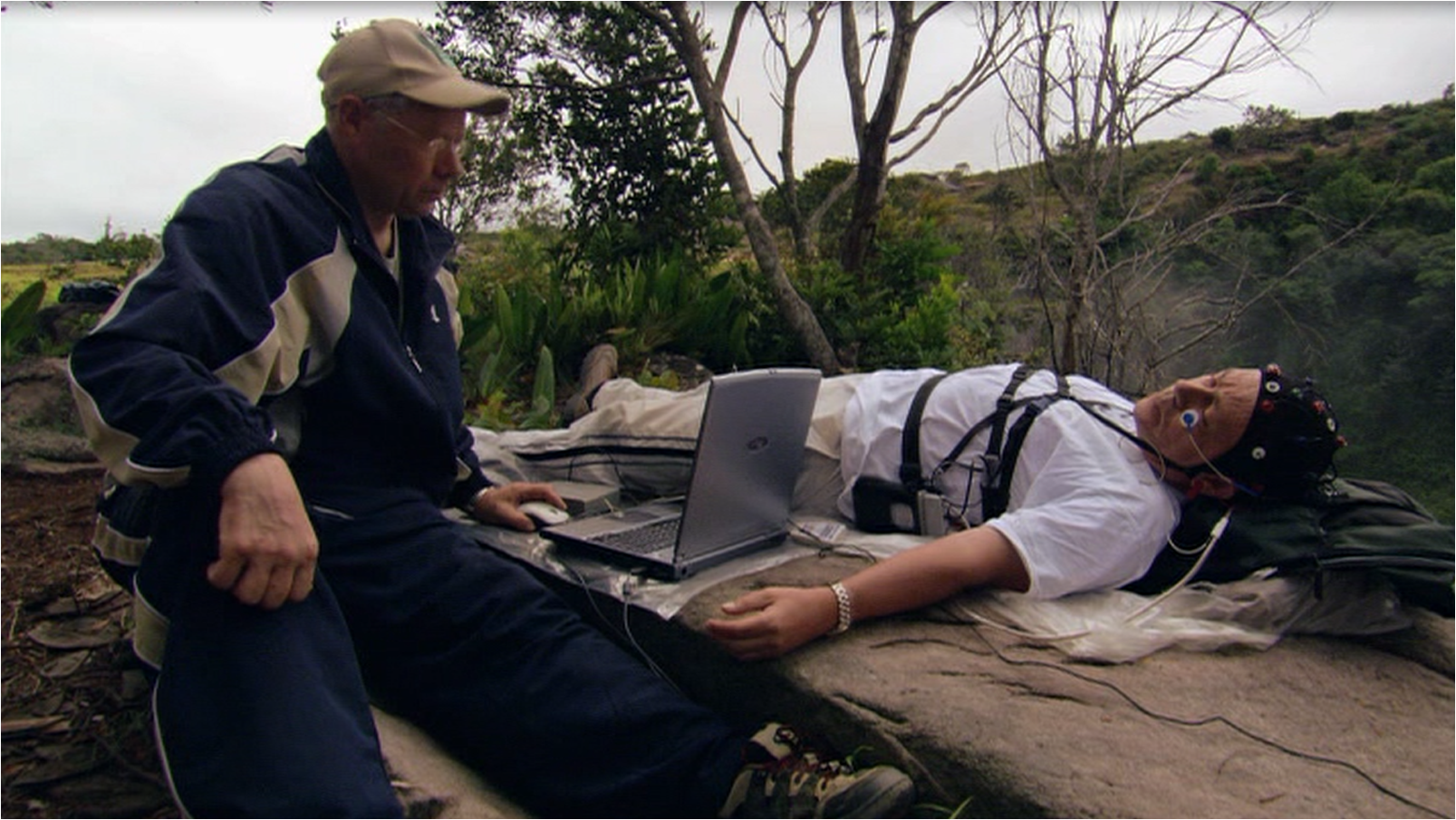
Subject B in S. America

Suddenly the two people had tuned themselves to the same wave, synchronization of areas of their brain, breathing patterns, and pulses. The theory is, liquids in the body carry out an information transmission system.”
The book the Secret Life of Plants was one of the first early works exploring and describing the reactions and relationships of plants to external stimuli in their world.  The author hooked up house plants in his office to a lie detector machine and to his surprise saw the plants react to his thoughts, regardless of whether he was in the same room or not, or the same city for that matter.

Subject A & B's synchronized scans

Dr. Masaru Emoto, author of “The Secret Life of Water”  was also interviewed in the film. Emoto, in his experiments, exposed different water droplets  to different thoughts, words  and intentions.
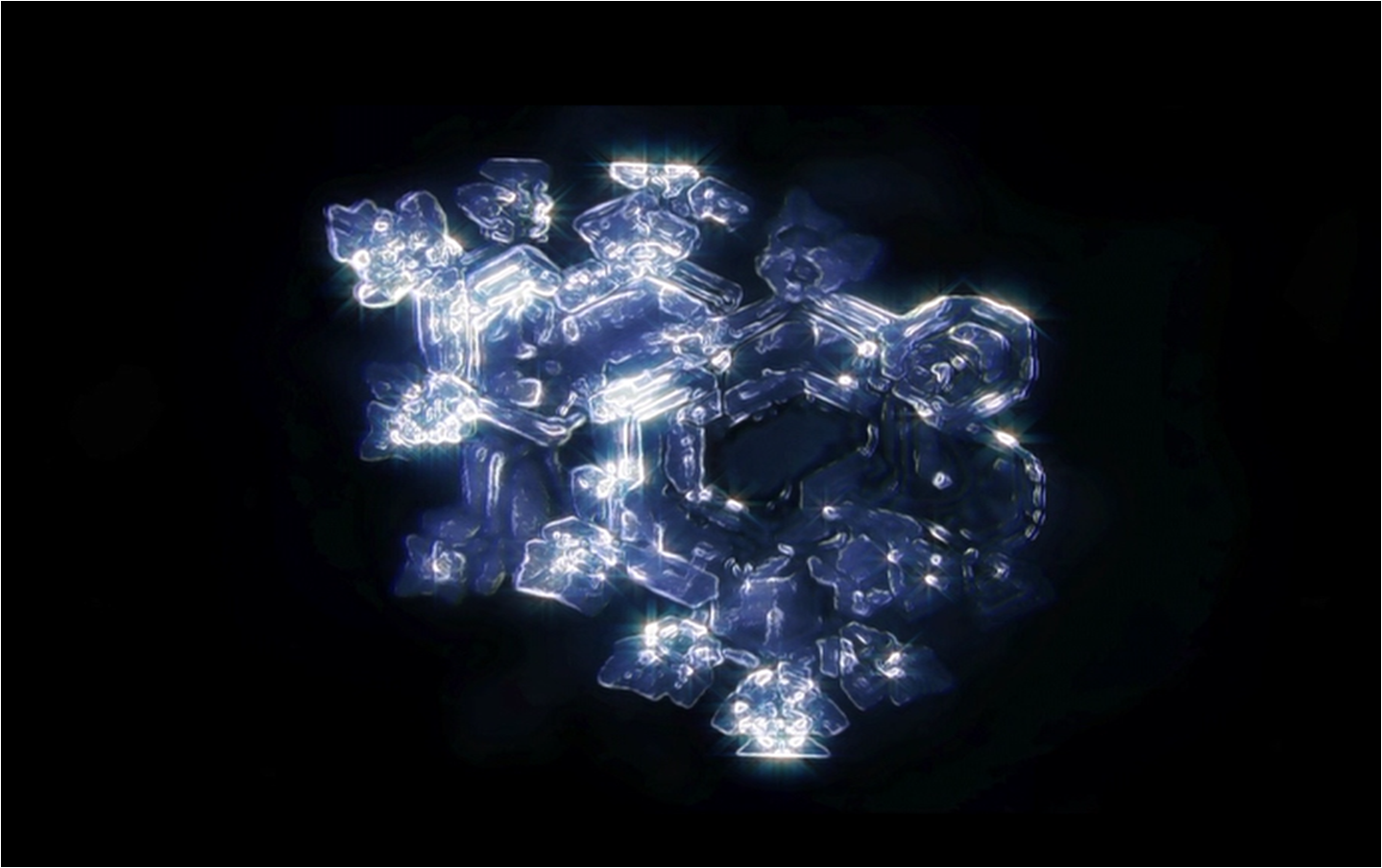
Water Crystals presented with Bach

These words and thoughts were directed at droplets before they were frozen, then images of the resulting water crystals were captured on film. The stunning results, such as  “beautiful” or “ugly” depended upon whether the words or thoughts were positive or negative. Emoto claims this can be achieved through prayer, music or by attaching written words to a container of water.    If you ‘re not familiar with his book or images, one of which is included here, check it out.

This led me to a logical conclusion from my shamanic studies in Peru, where the Inca and Quechua concept of Ayni, (reciprocity) runs throughout the mountain cultures in the Andes.

Q'ero Priests in the Andes

I learned to give words and form to what I had intuitively, (and most likely all of us have) had  known all my life from growing up in woods of New Hampshire, and later, mountain guiding in the mountains of the world –  that the mountains, streams and rivers, and other natural features give off a certain energy, and that we can interact with them as we would a person.  We can exchange energy, ask for support from the mountain, or lake,  and give back that support through emotional prayer, conservation protection and simple acknowledgement of the mountain’s energy and presence.
This might sound silly to the western logical mind, but the indigenous cultures who lived closer to the land knew and lived this life, and many still do, on a daily basis.  The western mind  is too busy, the channels are too clogged with data, to recognize the subtle signals that come from the old oak tree or the master mountain on the horizon.
The people of Cusco have twelve main “Apu’s “ or Mountain Spirits around their city, two of which are named Ausangate, Salkantay, Each main mountain or other geographic feature has its own characteristic such as male or female, strength,  allowance, introspection etc.. and the spirit of Ayni pervades all interactions with these mountain spirits.  As a side note, when I named our organization Mountain Spirit Institute in 1996, I had no awareness of the Andean “Apu’s”.
I took what I had learned, and melded it with my own intuition and experiences. When back in the U.S., I started to give more form to my relationships with the surrounding mountains and water features in my hometown of Sunapee, NH.  I started to see Mt. Sunapee in a different light, and in fact, took a job as a ski patroller mostly because I wanted to interact with the mountain energy on a daily basis. I wanted to, protect it, be in on the mountain, feel its power, and ask for strength from it as well.  Now that I think about it, maybe when Catherine Busheuff and I decided to move forward with those early meetings at the library, that later turned into the Friends of Mount Sunapee, maybe part of the seed that led to the mountain’s protection that exists today, came from those early interactions.  Many individuals have since carried forward  with their own passion to protect the mountain from abuse and over-development. I hope to think I may have had a small part in that.

Communication w/Lake Sunapee from NZ's Lakes District

I also started relating to Lake Sunapee in a different way as well. While I always felt the water was in my bones, this film, and Emoto’s book, gives me some credence that the water memory from where we come is actually part of us.  So after seeing the movie, I spontanisouly  meditated on the waters of Sunapee from here in New Zealand. I started feeling the healing power of the waters of Lake Sunapee, even though I’m down here on New Zealand’s south island,  very long way away. I could feel the exchange of energy, of love and gratitude.
So what’s this all mean – from the shamanic studies in Peru, to experiments in Russia to meditation and communication with a body of water in New Hampshire from New Zealand,  from one water body to another body of water? It means, at least to me, that we can interact more with trees,  mountains, rivers, lakes and each other on a level far deeper than conventional society believes. Traditional societies know about this connection, and its knowledge may just mean we learn to survive as a species.
I started Mountain Spirit Institute because I feel I can contribute to helping people reconnect to the natural environment, each other and a deeper connection to themselves by setting the stage for powerful transformative experiences. This film is an affirmation that I, and our board of directors are on the right track. Visit our website for more information on our core values, and our mission, and do see the movie!
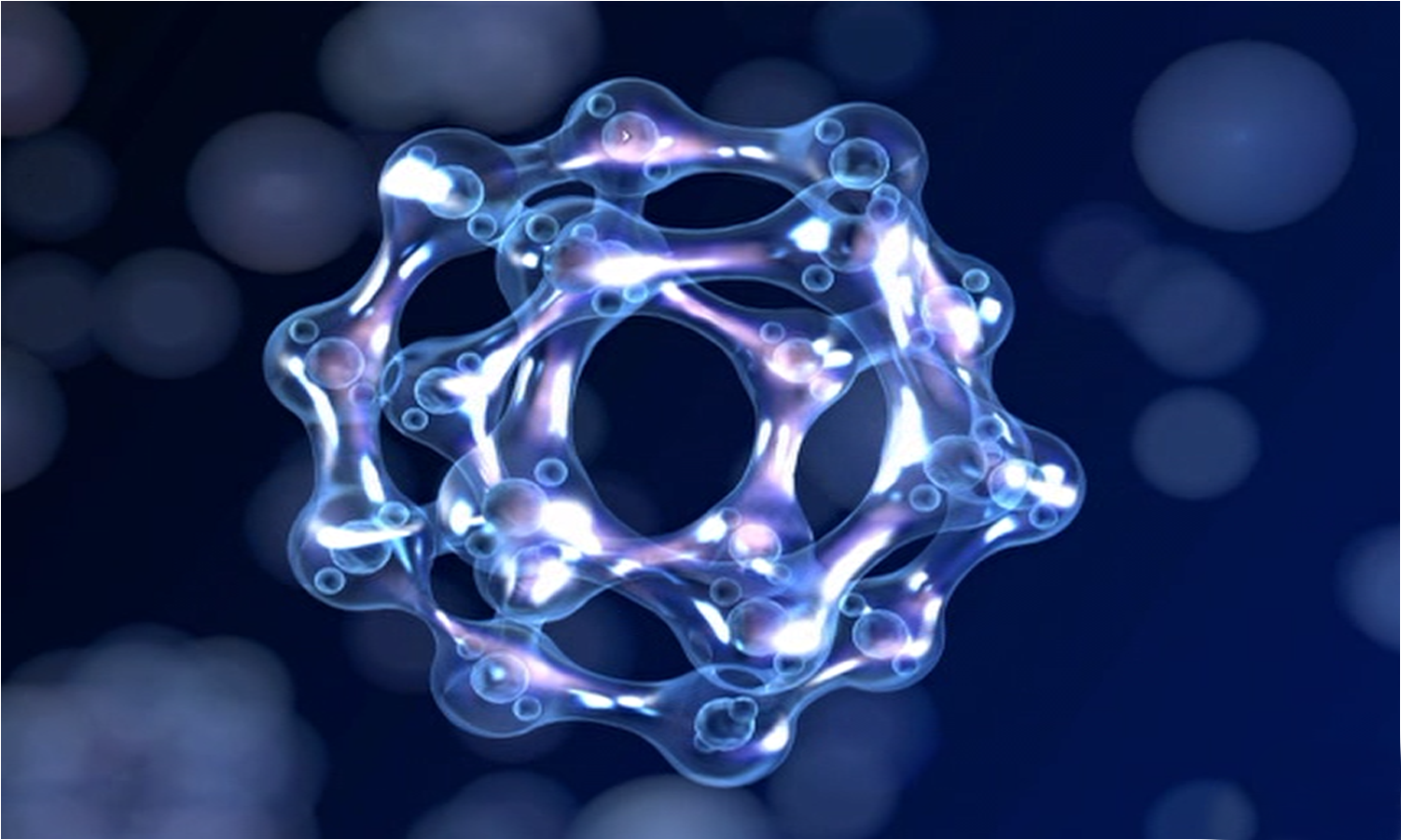
Water's structure as important as chemical make-up

Chapters of the movie Water, The Great Mystery, include:
The Structure of Water
The importance of water,
Dead and Heavy Water
Natural and Artificial Water
The Effect of Water on the Body
Water as the Medium
The Power of Faith
A Water Crisis
Nature Disasters
Love and Gratitude

* While I didn’t look for footnotes to the research mentioned in the movie, nor check into the science, I decided to write this post to share my personal experience of the movie, and in life.

There was much more fascinating information in the movie than I was able to include here. Do see it to learn more about agriculture, hydro power, our public water supply and one of the world’s most pristine water supplies in Brazil.  All images are screen shots from the movie and are intended and used for review purposes only.
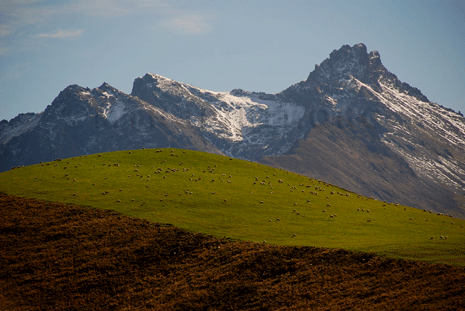
New Zealand Backcountry

28/05/2011

Mt Eyre, NZ Backcountry

I feel a  backcountry ski  adventure coming on. Last week I ventured out  15 minutes from our house here in Kingston, New Zealand and ended up driving down a farm road, off the nearest side canyon from the main north-south road to NZ’s southern tip. A view similar to this can be seen from the main road, but the closer I got into the back valley, following the Mataura River, I was led to this view of Mt. Eyre.  This is not one of the major peaks in the area, by any stretch, but it’s close to our place and what looks like some good backcountry skiing potential. As we near winter down here in the southern hemisphere, I’ll getting my skis sharpened, this may be my a ski area of choice due to its proximity, at least to the trailhead.

Elitism in the Mountains

27/05/2011

By R. Richards

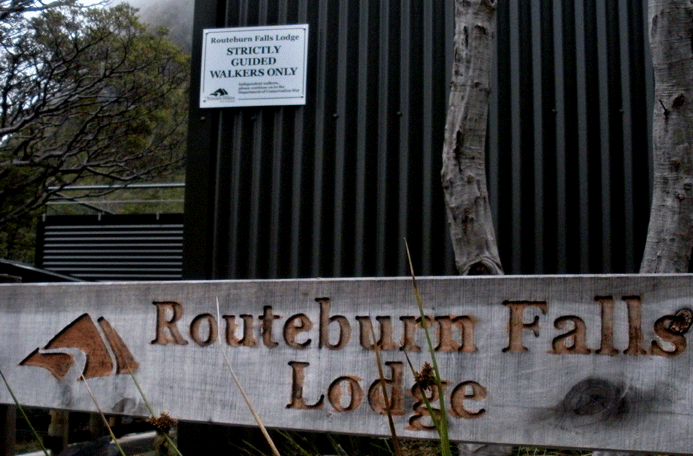
The "Lodge" at Routeburn!

Fellow MSI board member Bob Stremba and I recently decided to spend a  couple of days on New Zealand’s Routeburn walk, one of the famous tracks in the Southern Alps. We did it last week, during the shoulder season so there were only a handful of people on the trail. But I can imagine the numbers grow exorbitantly during the summer months. Fair enough, that’s how New Zealand has decided to funnel foreign hikers, and showcase tourism into a few of the well-known tramps. Milford Sound not far away is another.

Hi There!

All went well, aside from a bit of rain. We met some nice hikers, one from Ireland, Australia, Switzerland and four from Canada. We stayed at the small Routeburn Flats hut, and the next day proceeded to the Routeburn Falls hut for a quick lunch break . That’s when something seemed out of place. First, the size of the Department of Conservation (DOC) hut was quite impressive, equipped to handle large amounts of hikers. I then noticed above me, and pondered what in the world, could the huge building possibly be that stood above the DOC hut? Since it was the off season, this larger upper building was closed, bit we could peek in the windows . As I approached,  a big wooden sign in front of the building called out  the “Routeburn Falls Lodge”.  I saw a smaller sign behind it, mounted on the wall stating: “Strictly Guided Walkers Only” adding “Independent walkers please continue on to the DOC Hut.”

Private Rooms for the Gentry

The irony of first class and coach system arriving in the mountains struck me immediately with the thought that there should be a sign on the DOC hut stating, “Strictly Independent Walkers, Guided hikers should continue on to the nearest Hilton”. Of  course I don’t really feel that way, but it was the first thing that came to mind. Better yet, maybe the cognoscenti should overthrow the highfalutin hut and invite the coach class to join them, (and possibly even have a food fight).

The only site I can remotely remember seeing like this was in the Alps. Of course high living gentiles are still staying in the hotels just below the faces of the Matterhorn and Eiger. The only class arrangement I can remember seeing was in the Alpine Club huts of the Alps where the mountain quide’s quarters, were separated from us chattel climbers. But this, here in New Zealand was a whole other matter. I’m sure Oliver James, author of Affluenza would be proud of most Kiwis who shun this sort of thing in their mountains. I then found my tolerance level further tested with another sign telling “independent hikers” to a) turn around, b)  march their little butts down to where they belong  c) and stay there, all with the Orwellian salutation of “Hi There!”  See the actual text in the image above.

Bob Stremba, overlooking the Backcountry (?)

I hope that “haute couture” in the backcountry stops with this hut. I’m assuming there may be others though.  Even  though this super-duper hut sits in the heart of the Routeburn,  in the real backcountry, we’re still all the same. The problem is, having such a lodge like this goes a long way in destroying the very experience the concession is trying to offer. By its very nature, it removes itself from the backcountry. It brings the virulent virus – the epidemic of affluenza to the doorstep of paradise.  Tell us what you think about allowing such multiple uses on government land such as  luxury lodges (such as this one  run by Ultimate Hikes) Is it a bad idea? Are we missing something about the land use plans of NZ?

If you’re thinking of taking a  guided hike, suggest to your guide that he put you up with the rest of us. You’ll find it much more inspiring. Also suggest that they could change their signs to a less snooty sort.

Joe Simpson’s Beckoning Silence

26/05/2011

Bravo, Joe Simpson

Joe Simpson’s documentary, The Beckoning Silence, is a well-done re-enactment of Tony Kurtz’s infamous climb on the Eiger. It’s part adventure, part history and part personal reflection. It shows the insight of wisdom that, in this case, comes with age. Having almost died more than once, the first time in Peru, Simpson has arrived at place in his life that is refreshingly thoughtful. Simpson is a climber who is growing older and facing his own mortality. Congrats to Simpson for making this “on the edge of your seat” film and letting us into his personal growth.

I reflect on Eckhart Tolle who writes in his first book The Power of Now about thrill seekers such as climbers who get addicted to the calm that comes with climbing, where past and future fade away and one must focus next move or ice axe placement,  because “taking your attention away from the task at hand, even for a split second can mean death”. Tolle  adds, “Fortunately you don’t have to climb the north face of the Eiger in order to feel the presence of the moment,  you can do it, right here and now*.”

I just did a bit of leading on rock yesterday, for the first time in a while, getting out from behind the desk here in New Zealand. It was great to clear the head and be on the  cliffs right outside our house here in Kingston on Shirttail Cliffs.

Top of Shirt-tail Cliffs, Kingston, NZ

Great quality climbs in a spectacular setting. Moving on the rock again felt great, and motivating, being on the sharp end. However,  I’ve never had that wild-eyed look of adrenaline, pumped, on the sharp end, need of the thrill . I like to test myself, but my survivalist instinct is too strong to be too bold. There are old climbers, bold climbers but not a lot of old bold climbers.   I know quite a few fellow climbers who I’ve lost to the mountains over the years, including one of my mentors, Alan Bard. I think of these things too, as does Simpson, as we have a baby boy expected to arrive in four weeks.  It’s good to be in the mountains, but to those hardcore dudes, don’t be afraid to take the easy way up, it won’t kill you.

*A free translation

Nature’s Seven Doctors in New Zeland

29/03/2011

A book for the ages

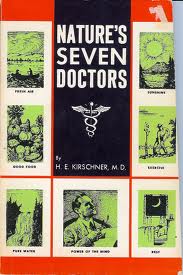
Hanging out at the Telemark Inn and Llama Farm (Newry, Maine)  years ago, when I was a ranch hand, and pack guide, I came across a little book on Steve Crone’s bookshelf called “Nature’s Seven Doctors” by Kirschner and White. This little volume espoused the basics of how simple living and paying attention the basics keeps one healthy.

After the Christchurch Earthquake and all, I guess the readjustment and stress of an unplanned move had me melancholy the last few days. I went with the flow, in line with Tolle, was in accepting and allowing my state to be, I  just didn’t feel at the top of my game. Even though we’ve found ourselves in a beautiful place, 7 hours south of the quake zone, it’s still been an adjustment of sorts.

Today I got it together and climbed to the top of the cliff outside our new rental home, sat for a short meditatino, and ran back down the trail, and on my way back to the house,  jumped in Lake Wikatipu on lake’s southern beach. The run and dip did me good, and I’ve been reminded all day of Kirschner and White’s book.   I’ve been feeling like new person all day.

The Seven Doctors are: (I usually can do this from memory, let’s see..) Fresh air, fresh water, fresh food, rest, mental/spiritual development, adequate exercise and adequate sleep.  Nothing to remember really, it’s common sense.

A view of Kingston, NZ from the top of Shirttail Cliffs

The Christchurch Earthquake

26/02/2011

When the Earth Shakes, and We Humans on it.
Make a *donation directly to NZ Red Cross Christchurch Fund

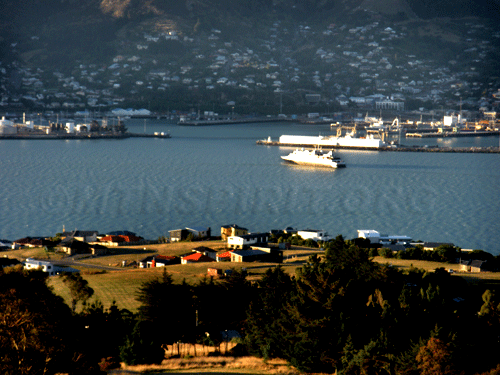
Epicenter: Lyttelton from above our house, a day before the quake

Amanda and I escaped. We were in Christchurch about 19 hours before the earthquake hit, just in front of the main church , which is now collapsed,  in the square dropping off my passport and work visa application at New Zealand immigration, We also ran some errands, and split up in the afternoon, Amanda stopping by a store, and I picking up our van at the bus depot.

When the earthquake did hit we were both at home. I was in the hallway, and all of sudden, I was being thrown about. I was disoriented for a few seconds, then ran down the hallway to grab my pregnant wife’s hand. She looked as confused as I, as we ran for the door. We had just experienced the earthquake 1km from the epicenter. Our rental home is just across the Lyttelton Inlet in Diamond Harbor’s Charteris Bay.  As I grabbed Amanda’s hand and we ran out of the back door of  the steel-framed house, I thought, “This isn’t good for Christchurch.”

Little did I know how bad it was.  Just over the crest of Port Hills, 20 min away, it was Hell. (more…)

The Kiwi Vagabond Travelers?

15/02/2011

Kiwis and Aussies Travel Footloose Around the Globe, Right?
Not so fast…

A Surprising Read about NZ's OE

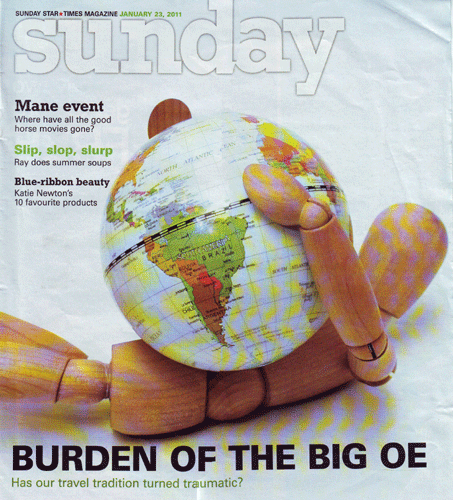
Young Americans on their trip abroad, usually see, in amazement,  the Aussies and Kiwis on their “OE” or Overseas Expedition, as they tick off another year, another country. It’s so different than the Yankee program, where we might take a semester abroad or a summer backpacking  and Eurail trip through Europe. The Australians and Kiwis really have it good. “How do that do that?” we ask ourselves.   The article below by Anna Hart gives a perceptive glimpse into the mindset of the Kiwis and how they value an overseas expedition. This story might surprise you as it did me.
From:
Sunday Star Times Magazine

January 23, 11
By Anna Hart
This time last year, I decided to chuck in my job at a fashion magazine in London and spend a year in New Zealand. I wanted a break from the London Underground, I wanted an adventure and I wanted some sunshine. I chose New Zealand simply because every friend who had ever visited raved about the place. I was hopeful that I’d find freelance writing work over here, but if I didn’t, well, I could still remember how to froth a cappuccino. (more…)

This Way of Life.. An Inspiring Film

09/02/2011

Don't Miss This Dose of Inspiration

The film This way of  Life is as inspiring as it gets. Filmed in the Hawkes Bay region of New Zealand’s North Island, this documentary is about a Maori family: a good and strong man and his wife who bring up their kids in the out-of-doors, raising wild horses. Peter, the father, is someone this writer admires for his steadfast adherance to what is right action in the midst of some people around him who act very badly.  We happened to pick up the movie at the library the other day, and were wowed by it.
A lot of what we strive for here at Mountain Spirit Institute is encapsulated in the documentary, and how this family lives their lives. No nature deficit disorder here. But the hardships, and even the new house where the kids get their own rooms, don’t sugarcoat the difficulties faced by the family.  We are about to bring a child into this world, and this film has added fuel to our fire to continue to head for the mountains. A cure for affluenza, for sure.

Director: Thomas Burstyn
New Zealand, 2010, 84 min.
Against the stunning beauty of New Zealand’s rugged Ruahine Mountains, Peter Karena and his wife Colleen instill in their children the values of independence, courage, and happiness. The family is poor in possessions but rich with a physicality and freedom within nature that most of us can only dream of. The children ride bareback, hunt, and play in the wild. Shot over four years, this film is an intimate portrait of a Maori family and their relationship with nature, adversity, horses, and society at large. Special mention at Berlin International Film Festival, 2010 Hotdocs, New Zealand’s Oscar shortlist.

You can learn a bit more about the family and the film on their Facebook page.
See the Movie Trailer

U.S. Healthcare: Our Blind Spot

28/01/2011

By R. Richards, Founder,
Mountain Spirit Institute
[Don’t miss the chart at the end of this post]
Once again, I’ve crossed  the  U.S. border, and am back in New Zealand (by way of Australia) experiencing medical system the way it was meant to be – compassionate,  not based on profit over people. My wife is pregnant, and before we left, we decided to have an initial visit with a midwife in New Hampshire. Once in Australia/New Zealand, we planned to have further tests. We were traveling to Australia to be with family Christmas, not to have pre-natal tests.

After the Holidays, we returned to New Zealand and are now here on the South Island.  So, in addition to our holiday trip, we’ve also been on a medical tour, getting a sampling  three different medical systems, starting in the U.S. (more…)

Your Food Supply #28

23/01/2011

On the Road in New Zealand
Is Monsanto in the Neighborhood?

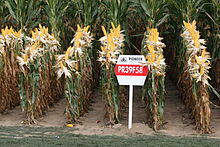
Pioneer Seed Sign: Belgium 2009

We just arrived on the South Island, having driven through from NZ’s biggest city, Auckland, down Route 1. We saw some disturbing looking corn fields with little red signs on the side, saying Pioneer. It eerily reminded us of scenes in the U.S.’s midwest fields, but not on the grand scale of course.  Please see our earlier posts on how corn has crowded out the countryside in America.

How do you tell strange corn? It grows closer together than normal corn. It looks uncomfortably close together. And there’s lots of it, and of course the telltail signs at the edge of the field.

With a quick check on Wikipedia we discovered a connection with Dupont Chemical. Ykes. The mulit-national corp is everywhere. Of course, you knew that already. The saving grace, we think Kiwis have a bit more sense, and something to go on, seeing the disaster that has befallen the U.S. food supply with GMO, high fructose corn syrup, ad infinitum.