By Randall Richards
Performing Music to Protest & Educate: Past, Present, & Where to From Here?
When I started a couple of volunteer music venues as listening rooms which I named “Coffeehouses”, one in Leavenworth, Washington and a second, in Sunapee New Hampshire (which is still going strong), Little did I know the history of the term CoffeeHouse.
I recently happened to stumble upon this interesting definition of the term, but never realized its origin when I had created those coffeehouses in the states. Interesting how things turn out: “GI Coffeehouses” were a consequential part of the anti-war movement during the Vietnam War era, particularly the resistance to the war within the U.S. military. They were mainly organized by civilian anti-war activists as a method of supporting anti-war and anti-military sentiment

. The FTA Roadshow was explicitly created in the ’70’s as a counter to Bob Hope’s pro-war USO tour. Original cast, from left: Gary Goodrow, Jane Fonda, Donald Sutherland, Peter Boyle, Dick Gregory, and Barbara Dane at the Haymarket GI Coffeehouse near Fort Bragg.

We started the first venue in Washington State because I had been a professional pianoplayer for years, and budding singer/songwriter on the guitar. I wanted to perform in a supportive listening room environment.
I had taken note of one such venue in a Sedona, AZ bookstore. Since I could only find bars and pubs, where venues treated the artists as background musicians, I wanted no part of that.So I decided to give it a shot by approaching a local hotel owner who was willing to let me set up on Friday nights in his unused conference space and stage in Leavenworth, WA. More on that winning formula in another piece.

New Zealand:
Fast forward to New Zealand, 2021 in the thick of mandates, and other general draconian measures pushed upon the population, based on a injection that was neither safe nor effective. We started having occasional bonfire music jams, and a like-minded Saturday Market, primarily for our freedom loving community (but all were welcome) in the Upper Clutha region of the South Island.
About six months ago I decided to apply to be one of the 16 international chapters of Jam For Freedom, backed by Eric Clapton. We were welcomed with open arms.

We have yet to hold our inaugural event. I’m still in the process of reaching out to additional musicians in the country who have been part of either the Wellington Protests, were featured in The River of Freedom and We Came Here for Freedom documentaries. Once we have a critical mass of freedom loving musicians, we’ll create an event,
We’ll also create traveling Jam For Freedom (Coffeehouse type roadshow), starting with the South Island based on the Coffeehouse formula I had started in the U.S., but simply a mobile version. That means a featured performer, followed by an open mic, a “trained” listening room audience, and passing the hat for the musicians, venue hire, and roadshow expenses,). I have a van, a waterproof trailer for the music gear, and just need some JFF branding for the vehicle and a stage backdrop.
Vietnam:
My family and I just toured of Vietnam, and I’m now writing a few pieces, not about the tourist side, but the impact of the war museums, the wonderful people we met, the stories I was told, and most recently, a book I’m reading called Understanding Vietnam explaining not only the war, but the deep seated psyche of the Vietnamese.
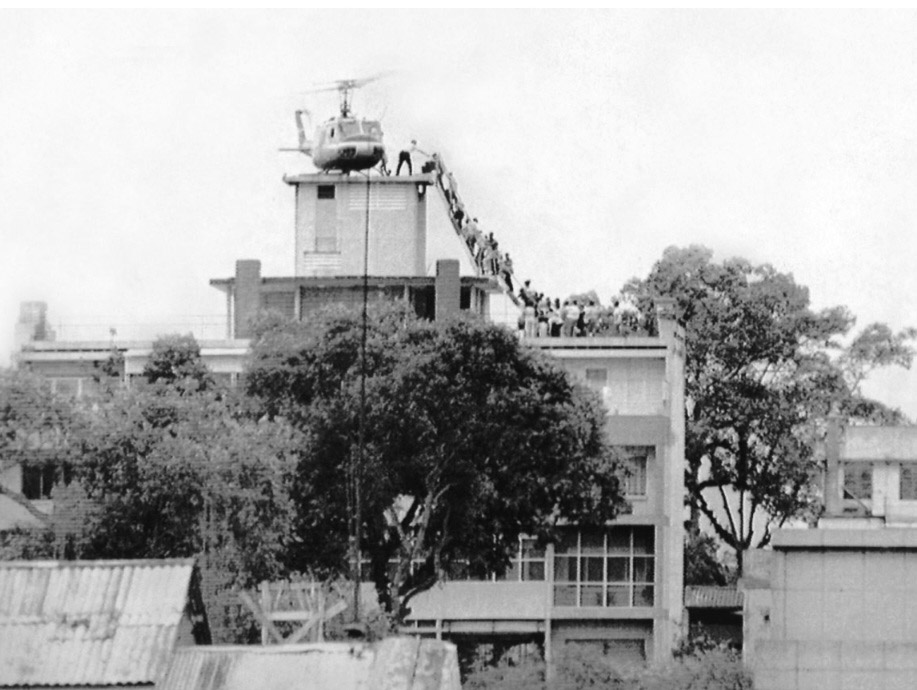
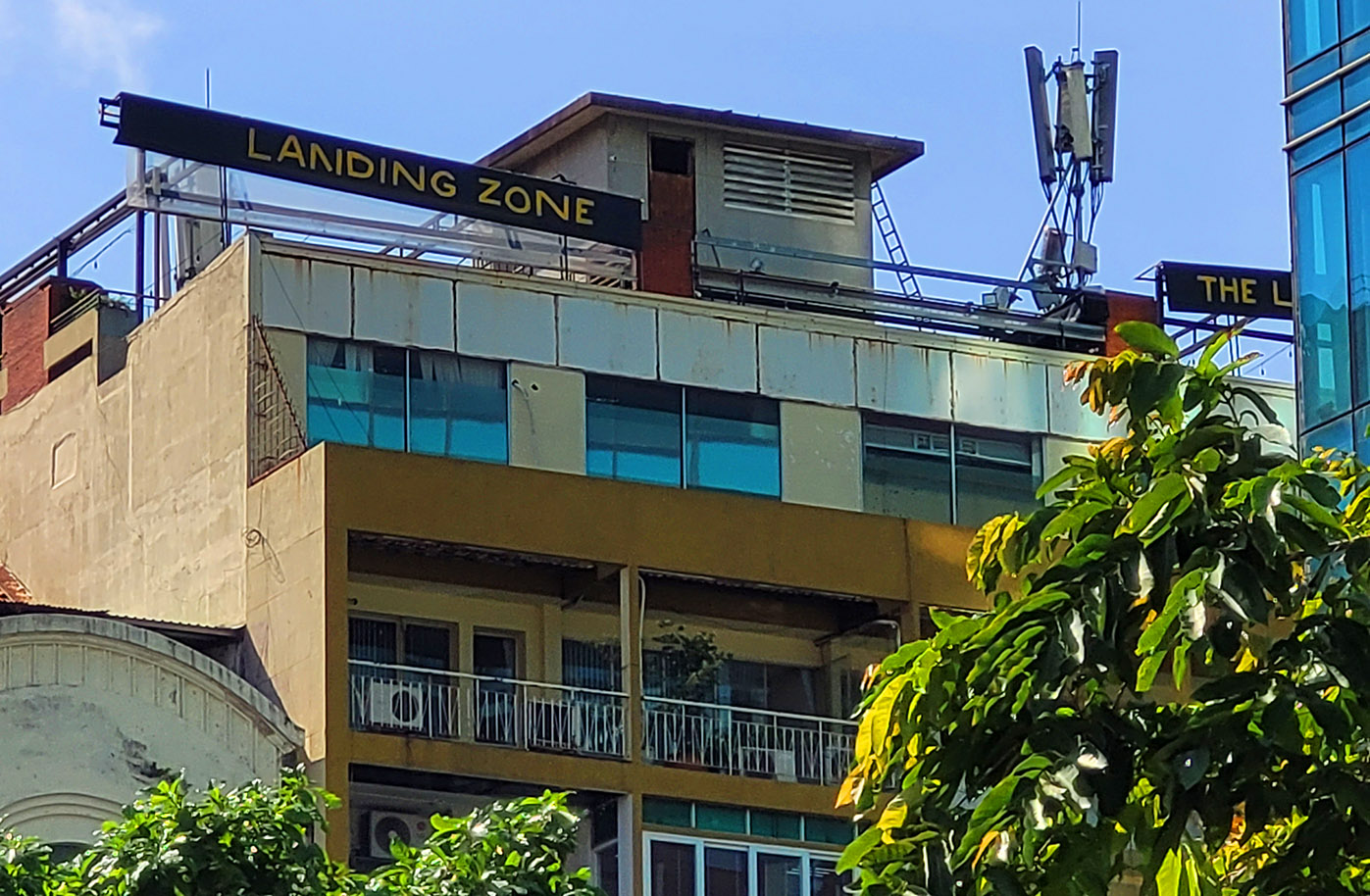
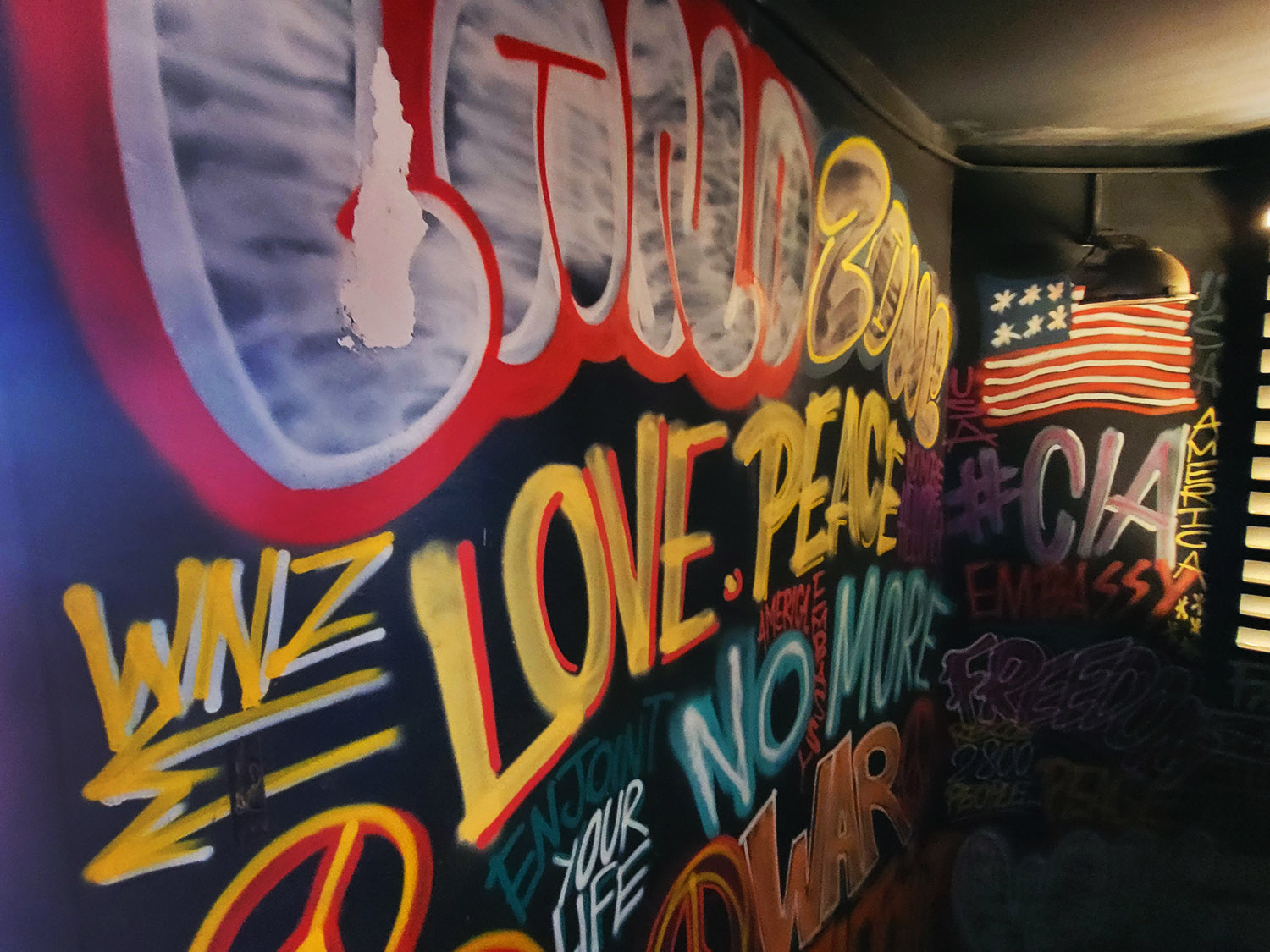
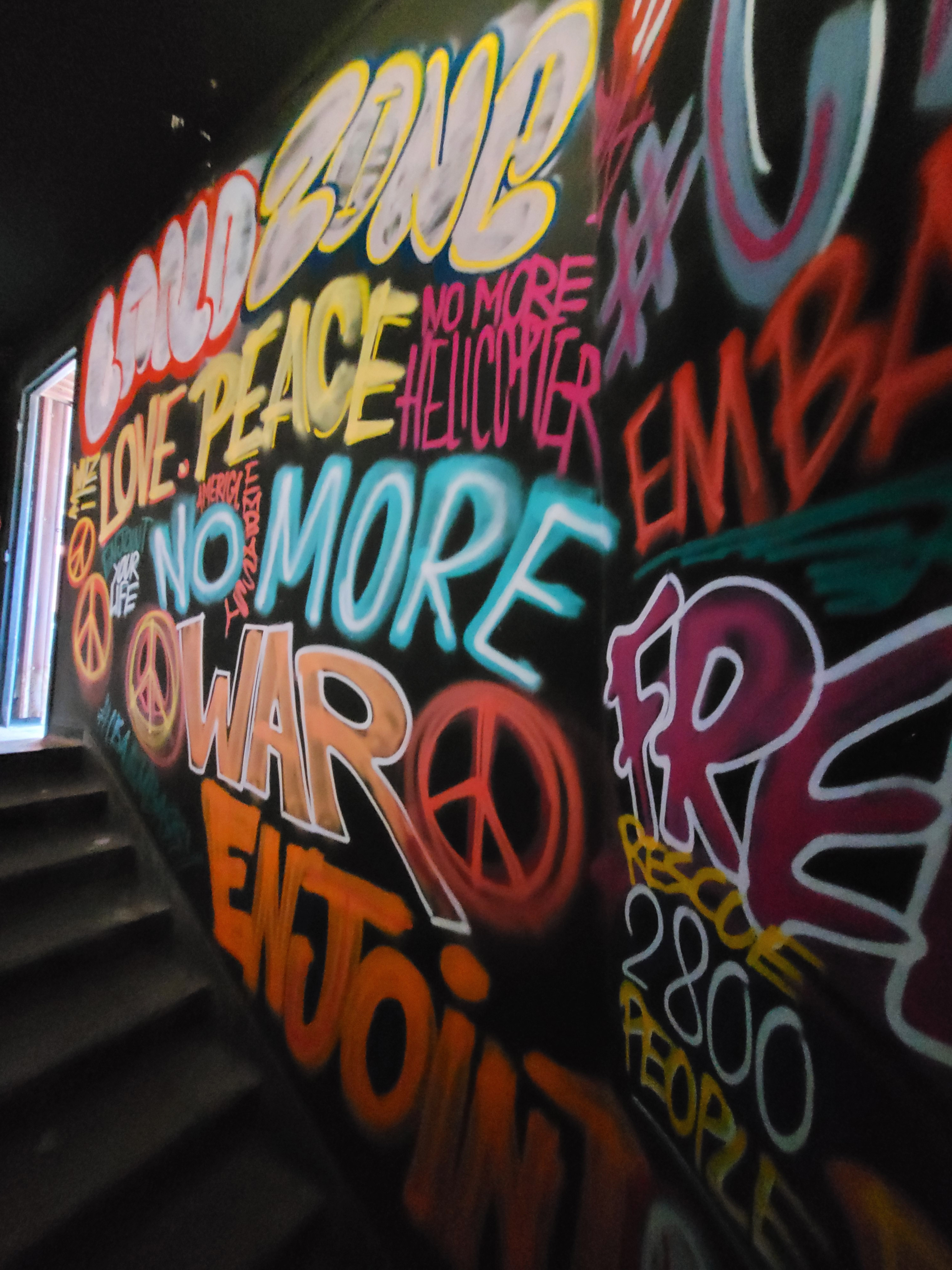
During a visit to the War Remnants Museum in Ho Chi Min City, I found these images on display:


This might be the time to premise some the articles I’m working on about Vietnam’s view of the US Occupation of Vietnam. They call it the “American War”, by the way. I went to Vietnam with some ingrained knee-jerk conditioning, courtesy of our government’s controlled media in the states. That paradigm quickly dissolved. Of course I could see Vietnam’s plugging their side of the story as well. But I do have discernment, and will talk about that in later posts.
Although there is a history of protest music from the US side I assume there’s more about Vietnam’s side, protesting war. However, this was the first time I it was on my radar.
The historians will write about such protest songs being written now, not only about anti-war, but about various nefarious agendas that aim to curb our freedoms, hurt our children and enslave the world’s population. Music is one of the best ways to call out the troublesome behaviors of those powerful people in charge who obviously don’t have our best interests in mind.

Comedy is a another avenue to opening the dialogue where direct debate and conversation often fail to bridge the gap between different paradigms. Jim Breuer’s Somebody Had to Say It, is a case in point.
So wish us luck with our Jam For Freedom adventure here in New Zealand! If you’re a musician get in touch! If you’re a friend of mine, who happens to be living stateside, or elsewhere, I also invite you to join in the conversation on our Jam For Freedom Telegram chat or the International Telegram group. Even though the NZ chat is focused for us here in New Zealand, I feel, the more the merrier. We could use the moral support! Did you guys hear that… Kirtana, Neal Fox, Scot Bergeron, Conspiracy Music Guru?
THANKS TO:
A special thanks goes to those New Zealand musicians who performed at our protest on Parliament grounds and were featured in those documentaries mentioned above, and to those who have joined our Jam For Freedom NZ Telegram Group. Also thanks to all the steering committee and volunteer members of the West and East Coffeehouses who have worked hard to deliver live music in a listening room for so many years.

Learn more about the Coffeehouse concept here. Start one in your community! You learn more about Randall’s music here. Our music studio is open for musicians-in-residence who would like to be pampered and be free to write and record in our small studio set in the mountains of the Southern Alps of NZ.
 Mountain Spirit's Blog