Archive for the ‘Experiential Education’ Category
28/11/2011
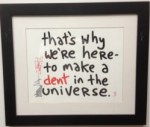
Why are you here?
This post refers more to for-profit ventures, but it applies to anyone wanting to make a difference. I started Mountain Spirit Institute over 12 years ago, and still keep the fire burning.
Ed.
Startups Are Hard. So Work More, Cry Less, And Quit All The Whining
“I slept at work again last night; two and a half hours curled up in a quilt underneath my desk, from 11am to 1:30pm or so. That was when I woke up with a start, realizing that I was late for a meeting…But it was no big deal, we just had the meeting later. It’s hard for someone to hold it against you when you miss a meeting because you’ve been at work so long that you’ve passed out from exhaustion.”
Suddenly everyone’s complaining about how unfair things are in Silicon Valley. How hard everyone has to work so darn hard, and how some people don’t get venture capital or a nice sale to Facebook or Google even though lots of other people are getting those things.
Silicon Valley is an unfair place, say all the headlines. The CNN racism documentary was just one piece of this. Another are the cries from the press that Zynga would actually consider renegotiating contracts with highly compensated employees no longer pulling their weight. Expect more articles soon about the woes of being asked to work hard at a startup. People are working so hard, they’re crying themselves to sleep!
As if all of this was new. The quote above isn’t from some overworked Zynga engineer. It was written in 1994 by Jamie Zawinski, an early engineer at Netscape. Here’s more: Read the rest of this story..
Tags:donataions, motivation, Mountain Spirit, Non-profits, Perserverance, Quotes, Start-ups
Posted in Experiential Education, MSI News | Leave a Comment »
15/09/2011

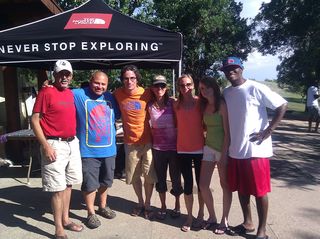
The North Face makes good
Cedar Wright on Turning his Passion into Purpose and an upcoming Expedition to Summit for Someone
By Cedar Wright, The North Face
This year I had the privilege and pleasure of attending several Outdoor Nation events to represent the North Face as a proud advocate of the movement to get more youth outside. I told my story of finding passion and direction through climbing in Yosemite, to hundreds of young people who are committed to turning the tide on the sad reality that at no time in human history have kids spent less time outdoors.
I spoke alongside Juan Martinez who is an Outdoor Participation ambassador for The North Face’s initiative to inspire more people everywhere to explore and push their personal limits in the outdoors. His story of growing up surrounded by the negativity, gangs, and crime in South Central LA and then having his life changed by getting the opportunity to camp out and see stars for the first time was truly inspirational. Juan’s journey reinforced what I have always believed; that these programs are invaluable for creating a bridge from the hustle and bustle of urban life to the quiet magic of Mother Nature. read the rest of this story..
Ed note: I take back everything I ever said about The North Face. Well, we still need to curb consumerism for consumerism’s sake, old stuff will do, and when that’s trashed, but durable goods. But I do commend the company for their initiatives in funding worthwhile orgs and projects under their grant program called the Explore Fund.
Tags:Cedar Wright, Consumerism, Explore Fund, grants, Juan Martinez, Mountain Spirit, Outdoor Nation, Service, The North Face
Posted in Climb/Ski/Mntneering, Experiential Education, Service | Leave a Comment »
08/09/2011

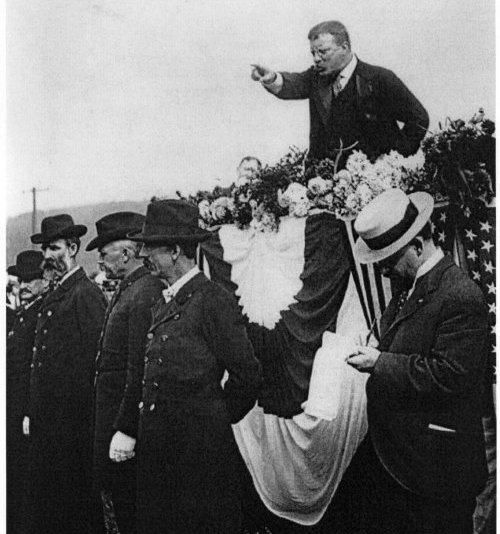
Teddy Roosevelt on "Staying in the Arena"
What does it mean to be a good citizen these days?
Teddy Roosevelt had some definite ideas on the subject. Below is an excerpt from his speech Citizenship in a Republic.
And from where does the term Tenacity of Pursuit come?
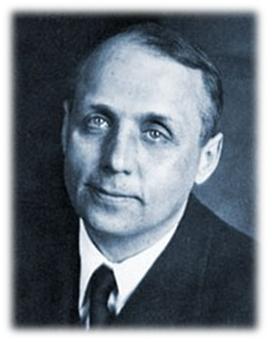
Kurt Hahn, the founder of Outward Bound considered “the tenacity of pursuit” to be one of his key outcomes of a good education.
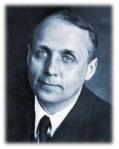
Kurt Hahn
Says Hahn, “I regard it as the foremost task of education to insure the survival of these qualities: an enterprising curiosity, an undefeatable spirit, tenacity in pursuit, readiness for sensible self denial, and above all, compassion.”
TR’s life shows us that hard work, tenacity, and a desire to do the right thing can get you far in life. In the most memorable section of his “Citizenship in a Republic” speech, Roosevelt captured his life philosophy in just a few sentences. “The Man in the Arena” tells us that the man we should praise is the man who’s out there fighting the big battles, even if those battles end in defeat. In our day, when cynicism and aloof detachment are considered hip and cool, TR reminds us that glory and honor come to those “who spend themselves in a worthy cause.”
The Man in the Arena
It is not the critic who counts; not the man who points out how the strong man stumbles, or where the doer of deeds could have done them better. The credit belongs to the man who is actually in the arena, whose face is marred by dust and sweat and blood; who strives valiantly; who errs, who comes short again and again, because there is no effort without error and shortcoming; but who does actually strive to do the deeds; who knows great enthusiasms, the great devotions; who spends himself in a worthy cause; who at the best knows in the end the triumph of high achievement, and who at the worst, if he fails, at least fails while daring greatly, so that his place shall never be with those cold and timid souls who neither know victory nor defeat.
Tags:Citizen in a Republic, Community, Kurt Hahn, Mountain Spirit, Service, Tenacity of Pursuit, The Man in the Arena, Theodore Roosevelt
Posted in Experiential Education, Inspirational People, Leadership, Quotes, Service | Leave a Comment »
07/09/2011
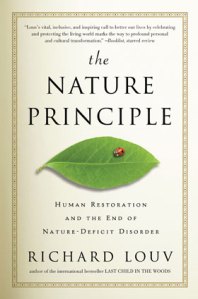
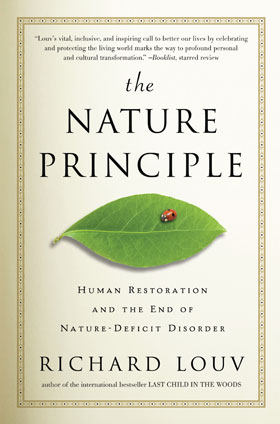
Louv's second book
“The future will belong to the nature-smart—those individuals, families, businesses, and political leaders who develop a deeper understanding of the transformative power of the natural world and who balance the virtual with the real. The more high-tech we become, the more nature we need.”
—Richard Louv
The immediacy of Richard Louv’s message in Last Child in the Woods: Saving Our Children from Nature-Deficit Disorder galvanized an international movement to reconnect children with nature. We’ve touched base about his first book here on MSI’s blog.
Now, in The Nature Principle, Louv reaches even further with a powerful call to action for the rest of us.
Our society, says Louv, has developed such an outsized faith in technology that we have yet to fully realize or even adequately study how human capacities are enhanced through the power of nature. Supported by groundbreaking research, anecdotal evidence, and compelling personal stories, Louv shows us how tapping into the restorative powers of the natural world can boost mental acuity and creativity; promote health and wellness; build smarter and more sustainable businesses, communities, and economies; and ultimately strengthen human bonds. As he says in his introduction, The Nature Principle is “about the power of living in nature—not with it, but in it. We are entering the most creative period in history. The twenty-first century will be the century of human restoration in the natural world.”
Richard Louv makes a convincing case that through a nature-balanced existence—driven by sound economic, social, and environmental solutions—the human race can and will thrive. This timely, inspiring, and important work will give readers renewed hope while challenging them to rethink the way we live.
Editor’s note: I saw Mr. Louv speak in Park City about three years ago. He was a down-to-earth, (one would hope with a subject such as he covers) and passionate speaker. If you get a chance, go hear him speak, you can see his schedule on his website’s Appearances Page and if you can hear him speak, do so. Better yet, read his three books.
We’re honored to see that Mr. Louv has started to follow Mountain Spirit Institute‘s Twitter account. We’ve been at it since 1998, and started this blog in 2008 with 64,000 views since. We feel a kindred spirit with Louv, with our mission “to facilitate one’s connection to the natural environment, to each other and a deeper connection to one’s self”. Mr. Louv has had great success in spreading the word about getting kids of all ages outside, and we’re effectively joining him in that cause.
Tags:Last Child in the Woods, Mountain Spirit, Nature Deficit disorder, Richard Louv, The Nature Principle, Twitter
Posted in Blogs, Books, Experiential Education, Health, Holistic Living, Leadership, MSI News, Power of Place | Leave a Comment »
10/08/2011
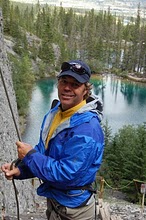
Mtn Guide & Writer, Ken Wyle
When the Mountain Bites Back, And What Are the Lessons To Be Learned
Mountain guide, writer and longtime friend from Outward Bound days, Ken Wyle is writing a book about his accounts the day he was caught in the La Traviata avalanche in Canada that killed seven people. I had heard through the grapevine that Ken had been caught in a big one, and I felt a wrench in my gut. Mountaineering accidents, in which friends are involved affect me more than most things in life. Alan Bard was one of my ski-guiding mentors, and he goes and dies on the Grand Teton. One’s teacher isn’t supposed to do that. There was a cloud over me for a time after I had heard the news, and I did’t feel comfortable on the rock for a time too. There have been other friends too that are no longer with us, and I ask myself the same questions that we all do about events like this, and the meaning of it all.
Reading a few of Ken’s Facebook posts and on his blog, give me the impression, he too has been asking some questions. And while the answers are secondary, the questions he’s asking have weight, at least from my humble perspective. While compassion is one of outcomes of teaching an Outward Bound course, it looks like Ken is living it.
I caught up with Ken on Facebook last week, and he suggested I check out his blog The Energies of Adventure. Some glimpses of what will most likely be included his book can be seen on his blog.
Here’s the lead-in to his first post on that blog:
Seven Cairns
Chapter 1, “Lost in the Fog”
January 20th 2003, deep in the Selkirk mountains of Canada’s British Columbia. It is overcast and white out. Snow flakes are lightly falling from the clouds. The air is moving softly out of the southeast. Two groups of backcountry ski tourers collect at the frozen, snow covered, Tumbledown Lake for our first tea break of the day. My smaller group of read the rest of this story..
Tags:Alan Bard, Grand Teton, Ken Wyle, La Traviata avalanche, Lost in the Fog, Mountain Spirit, mountaineering accidents, Outward Bound, Randy Richards, Selkirk Mountains
Posted in Books, Climb/Ski/Mntneering, Experiential Education, Holistic Living, Inner Work, Inspirational People, Leadership, Mountain People, Spiritual | 3 Comments »
07/07/2011
By R. Richards
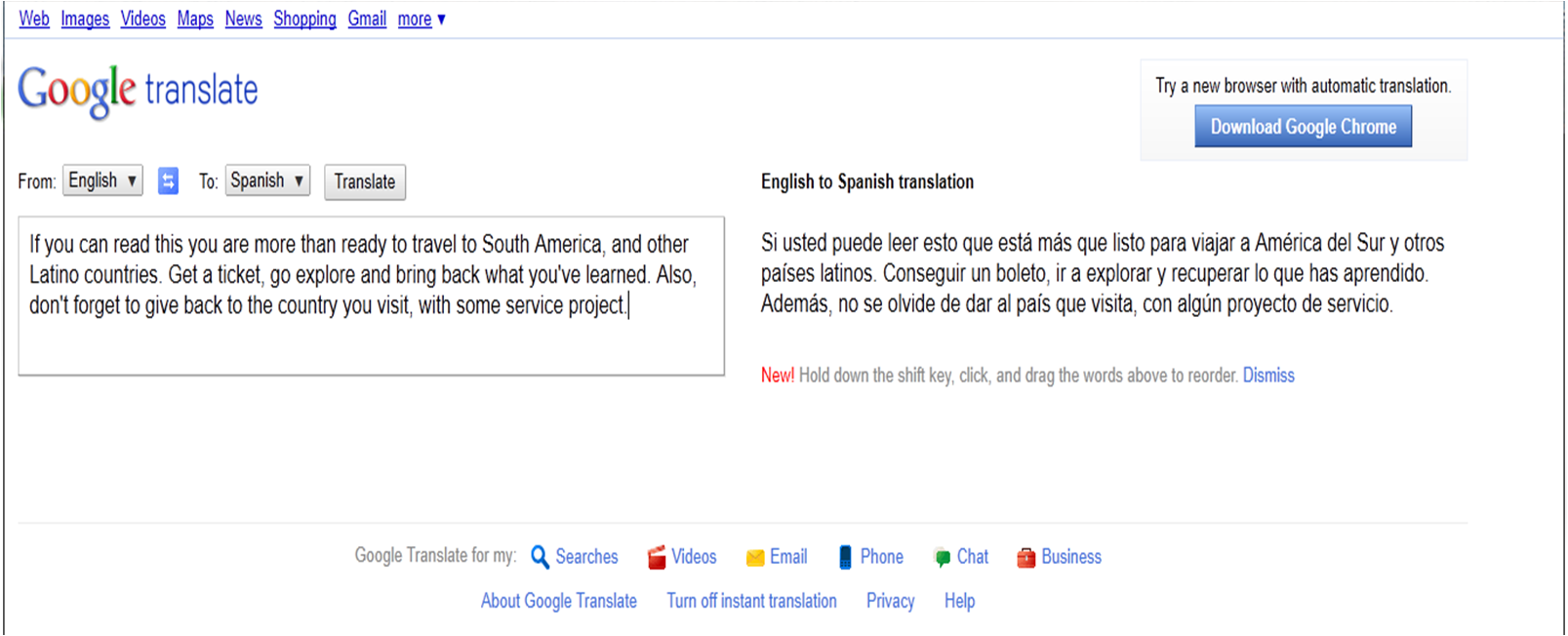
You probably know about Google Translator but I thought I’d briefly write about it here, just in case you’ve never used it. If you haven’t, check it out.
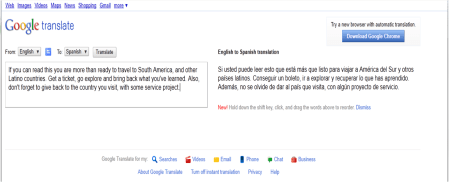
Use this to write to friends old and new in foriegn lands
It’s a great tool for reaching out across cultures and languages to those you may have met while doing your overseas expedition, and kept their address but never wrote to them because of the language barrier. It also features on-the-fly translation for those using gmail, and for other email clients, quick cut and past from the website into emails works effortlessly.
I must admit, my Spanish grammar isn’t the best, (I’ve been told I speak “Tarzan Spanish”). One of these days, I’ll get my conjugations down, but for now, in order to write a somewhat grammatically correct email to my friends in Peru, I admit it, I often use Google Translator.
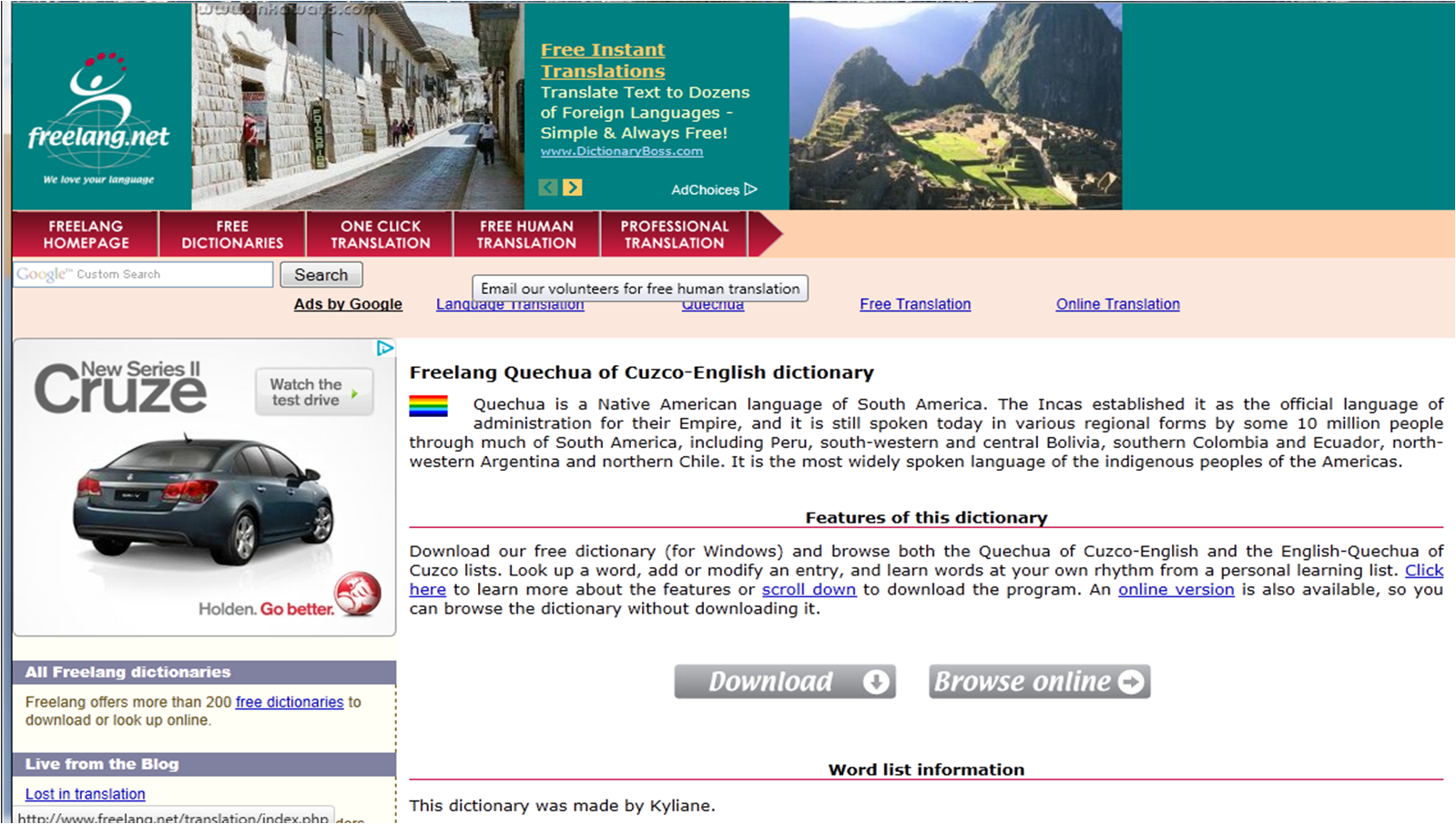
Another cool site I stumbled upon yesterday is Freelang.net where I found a free downloadable Quechua English Dictionary. How cool is that?
I’m sure this particular dictionary hasn’t been around that long, so I was excited to see and download it. It works quite well. I haven’t checked out the other languages but you can, at here.
So get out there and start writing to someone, anyone and bridge the language gap. Enjoy.
Tags:downloads, freelang.net, Google Translator Page, Mountain Spirit, Online dictionary, Quehua English Dictionary
Posted in Experiential Education, Peru, South America, Traveling | Leave a Comment »
07/03/2011
An email from some good folks in Sunapee NH
Dear Randy,
Bill and I just returned yesterday from an amazing trip to Ecuador (Galapagos Islands) and Peru (Lima, Cuzco, Machu Pichu). Our tour group was treated to a performance by Chimu Inka at a local restaurant in Cuzco for our farewell lunch…we thoroughly enjoyed their music.

- Chimu Inka photo shoot 2004
I purchased their CD but didn’t open it until we were back at our hotel. Little did I know I’d see Sunapee, NH on the inside cover…the name Dexter didn’t ring a bell, but I suspected it was you as I recalled your last name. Sure enough, I called Carol and she confirmed it. Wish I’d opened the case while at the restaurant. Our tour guide was an amazing guy, born and raised in Cuzco, G. Walter Rodriguez, in case you might know him.
They had a group of 4 dancers performing with them…I was privileged to be pulled into the dance with one of the guys…it wasn’t easy at that altitude! But what a great memory! It was exciting to have that connection and a great memory of our trip.
My Response..
Hi Sharon,
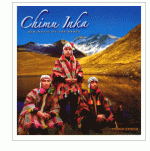
Chimu Inka Album #3
Thanks for your email, and great to read your story! I do remember you both, and was thrilled to read of your experience in La Ratama restaurant with Chimu Inka. Yes…too bad you didn’t know about the connection while you were there, as the band would have loved to know that you’re from Sunapee, and would have given you a real local connection. They are like family to me. (more…)
Tags:Chimu Inka, Cusco, La Retama restaurant, Machu Pichu, Peruvian Musicians, Plaza De Armas, Sunapee, Sunapee Community CoffeeHouse
Posted in Experiential Education, MSI News, Music, Peru, Traveling | Leave a Comment »
09/02/2011
Don't Miss This Dose of Inspiration
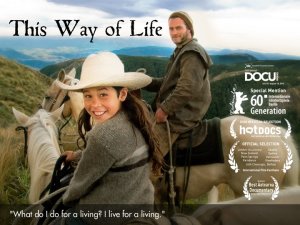
The film This way of Life is as inspiring as it gets. Filmed in the Hawkes Bay region of New Zealand’s North Island, this documentary is about a Maori family: a good and strong man and his wife who bring up their kids in the out-of-doors, raising wild horses. Peter, the father, is someone this writer admires for his steadfast adherance to what is right action in the midst of some people around him who act very badly. We happened to pick up the movie at the library the other day, and were wowed by it.
A lot of what we strive for here at Mountain Spirit Institute is encapsulated in the documentary, and how this family lives their lives. No nature deficit disorder here. But the hardships, and even the new house where the kids get their own rooms, don’t sugarcoat the difficulties faced by the family. We are about to bring a child into this world, and this film has added fuel to our fire to continue to head for the mountains. A cure for affluenza, for sure.
Director: Thomas Burstyn
New Zealand, 2010, 84 min.
Against the stunning beauty of New Zealand’s rugged Ruahine Mountains, Peter Karena and his wife Colleen instill in their children the values of independence, courage, and happiness. The family is poor in possessions but rich with a physicality and freedom within nature that most of us can only dream of. The children ride bareback, hunt, and play in the wild. Shot over four years, this film is an intimate portrait of a Maori family and their relationship with nature, adversity, horses, and society at large. Special mention at Berlin International Film Festival, 2010 Hotdocs, New Zealand’s Oscar shortlist.
You can learn a bit more about the family and the film on their Facebook page.
See the Movie Trailer
Tags:bareback, Children, Colleen Karena, Experiential Education, Hawkes Bay, Horses, Mauri, Mountain Spirit, Mountains, Natural Childrearing, nature, New Zealand, Peter Karena, Ruahine Mountains, This Way Of Life
Posted in Animals, Environment, Experiential Education, Film/DVD, Health, Holistic Living, Indigenous Wisdom, Inspirational People, Leadership, Mountain People, New Zealand, Power of Place, Spiritual, Sustainable Living/Communities | 3 Comments »
08/02/2011
 The Revolution will begin our food supply
Over the past 12 days, the Obama administration has unbelievably chosen to approve two biotech crops, Roundup Ready genetically modified (GMO) alfalfa and Roundup Ready genetically modified (GMO) sugar beets. Obama’s recent approval of them will allow them to be planted as early as this spring, despite widespread acknowledgement that these crops are certain to contaminate both conventional and organic farmers non-GMO crops. Their approval only benefits one company — Monsanto.
These decisions are a devastating blow to our democracy and the basic rights of farmers to choose how they want to grow food on their land and the rights of consumers who increasingly choose organic and sustainably grown food for its positive health and environmental impacts. Click here to join us in telling President Obama that it’s time to stand up to Monsanto and reject these GMO crops today.
Tags:GMO, Monsanto, Mountain Spirit, Organic Farmers, Roundup Ready, Your Food Supply
Posted in Conservation, Environment, Experiential Education, Fair Trade, Health, Holistic Living, Room For Improvement, Sustainable Living/Communities, This Just In Department, Your Food Supply | 4 Comments »
27/12/2010
Master Instructor Teaches More Than Drumming
By R. Richards
Drumming Instructor Bob Bloom teaches a lot more than drumming. Bloom, who will be teaching Mountain Spirit Institute’s Drumming Jamaica program on February 7-11 at Treasure Beach, has been a regular keynote instructor on classes in creativity at Southern Connecticut State University. The semester course is instructed by the dynamic leadership of Phyllis Gelineau, PhD. The class consists of students from various disciplines in the university system. The premise of the class, says Bloom, “How are you going to take what you do, or what you teach, and get creative about it?”
Bob was certified in 1997 as a Master Teaching Artist by the state of Connecticut. “A Teaching Artist” says Bloom, “uses an art form to teach and illustrate something else, such as engineering, or marketing for example.
“We teach students how to apply creativity in their work, for example using a circus act to teach mathematics.” Bloom adds, “I’ve used drumming to illustrate the democratic method on how to vote…this movement is huge, it’s burgeoning in the field of education.
Bloom is on a mission – teaching others how to be teaching artists. He has a marketing background, so he’s also teaching educators and administrators how to get the word out about artistic education.
The video clip was shot after Bob had been teaching a group of students for a three hour creativity through drumming class the university.
Posted in Experiential Education, Inspirational People, MSI News, Music, Sustainable Travel, Traveling | 2 Comments »


 Mountain Spirit's Blog